Terraria: 15 Years of Free Updates and Developer Trust
Sold for under $10, updated for free for 15 years: how Re-Logic and Andrew Spinks built the most generous developer-community relationship in gaming.
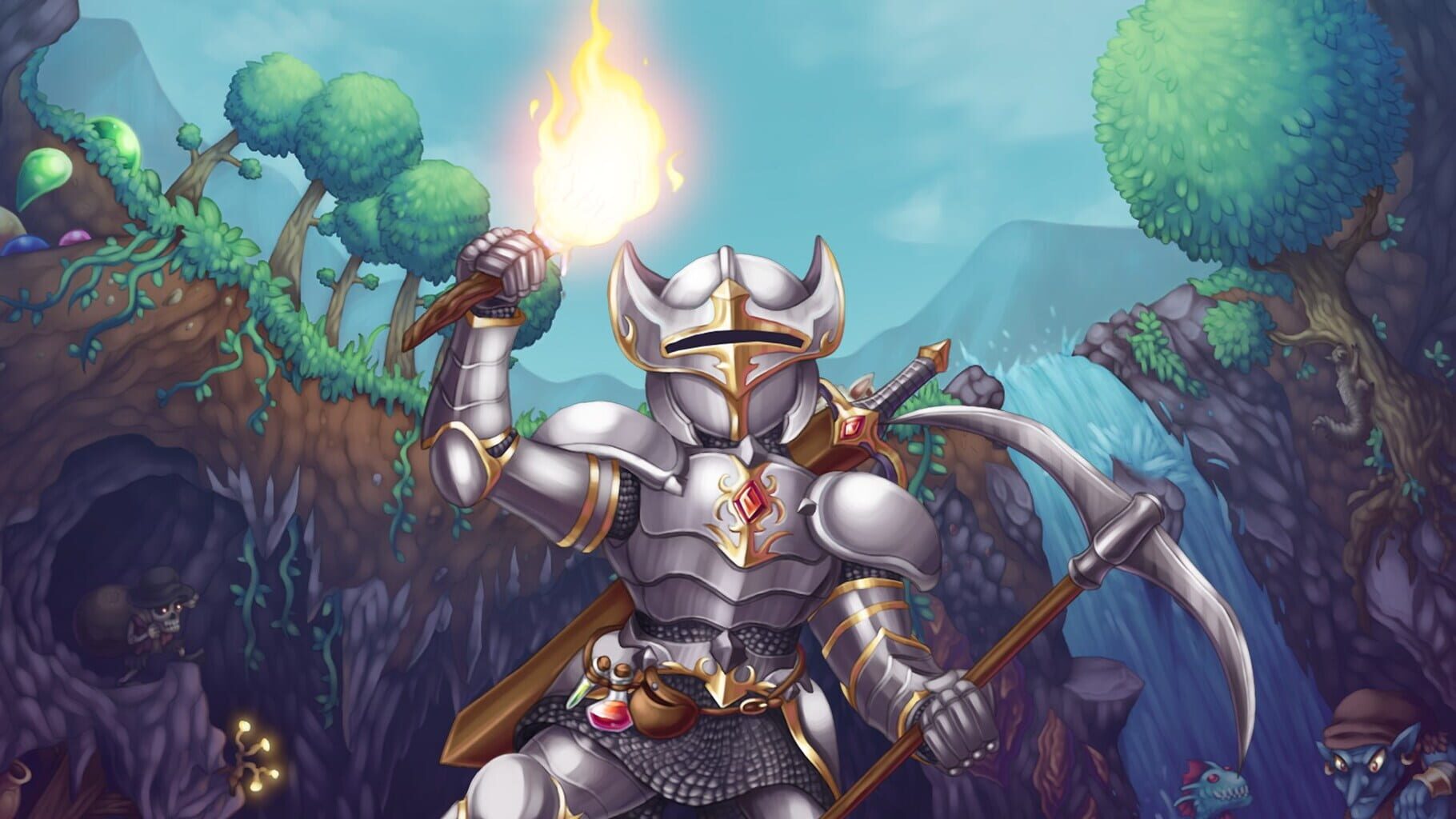
- Terraria's 1.4.5 'Bigger and Boulder' update launched in January 2026 — 15 years after release, adding 650+ new items completely for free.
- Re-Logic has consistently refused DLC and microtransactions, building one of gaming's most trusted developer-fan relationships.
- In an industry defined by live service monetization, Terraria stands as proof that a different model is possible — and wildly profitable.
How Has Terraria Managed 15 Years of Free Updates?
In January 2026, Terraria received its 1.4.5 update, titled 'Bigger and Boulder.' The patch added over 650 new items, bringing the game's total item count above 6,000. It had been in development for more than three years. It was free. It is, by almost any measure, the most extraordinary act of post-launch developer generosity in gaming history — and it is only the latest chapter in a story that began when a small indie game was released on May 16, 2011, for a price point that has never exceeded $10.
Terraria was created almost entirely by Andrew 'Redigit' Spinks, working with a small team. Released when the indie game boom was still young, it sold 200,000 copies in its first week and never really stopped. Fifteen years later, with over 58 million copies sold across all platforms, Terraria is one of the best-selling video games of all time — an achievement built entirely without a single piece of paid DLC, a battle pass, a loot box, or a microtransaction.
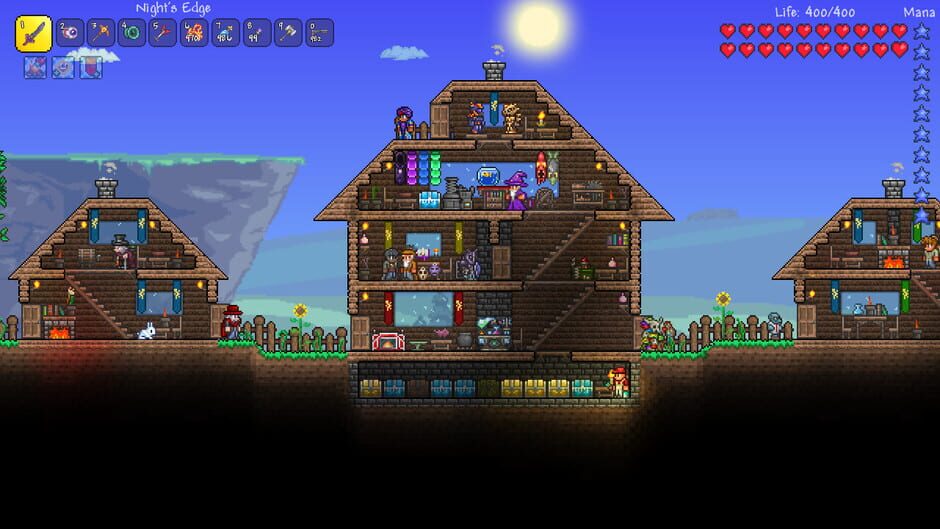
What Makes Re-Logic's Approach to Updates So Different?
The gaming industry of 2026 is defined by live service models, seasonal content drops, and an ever-expanding catalog of premium currency systems. Against this backdrop, Re-Logic's approach to Terraria looks almost anarchic. Every major update — from 1.1's Hardmode expansion in 2011, to 1.4's Journey's End in 2020, to the brand new 1.4.5 — has been delivered free of charge to every existing owner. No DLC packs. No Founder's Edition bonuses. No exclusive cosmetics locked behind a paywall.
Andrew Spinks has explained this approach simply: it is the right thing to do. In an industry where 'the right thing to do' is routinely subordinated to shareholder expectations and quarterly earnings reports, that statement is almost radical. It reflects a specific philosophy about the relationship between developer and player. Re-Logic has consistently treated its community not as a revenue stream to be optimized, but as collaborators in an ongoing creative project.
The result is one of the most durable games ever made. Terraria's Steam page shows an 'Overwhelmingly Positive' review rating built from hundreds of thousands of reviews accumulated over 15 years. New players consistently express shock at how much content exists in a game they bought for the price of a lunch. Veterans describe returning after years away and finding entire new systems, biomes, and bosses waiting for them. This generational continuity is extraordinarily rare in gaming.
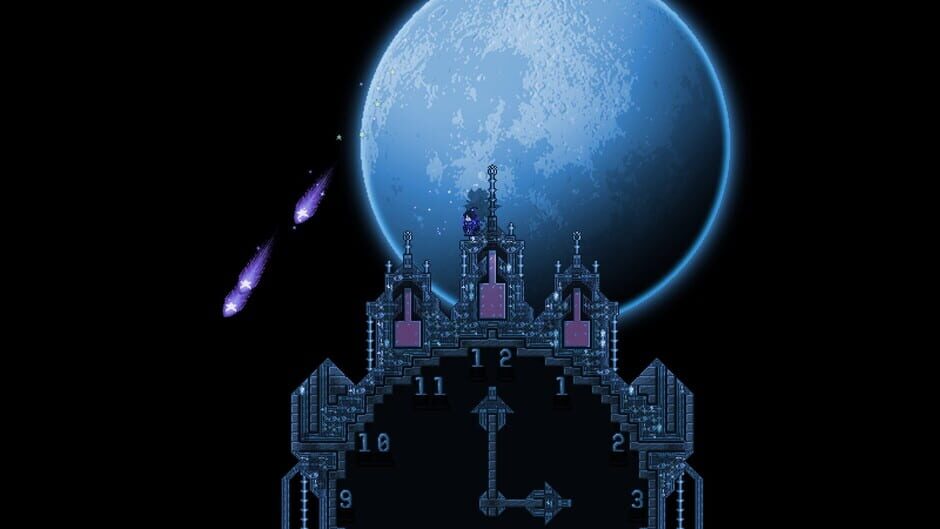
The 'Final Update' Meme: A Love Story Between Developer and Community
One of the most charming aspects of Terraria's history is the recurring saga of the 'final update.' Andrew Spinks has announced the end of Terraria's development multiple times — most famously with Journey's End in 2020, which was marketed unambiguously as the game's definitive conclusion. The community received this with a mixture of sadness and celebration. Then Spinks kept working. The jokes write themselves, and he has embraced them: each new 'final update' announcement is now met with knowing laughter from a community that has learned not to take farewell tours too seriously.
The 1.4.5 update followed the same pattern. After years of delays and development challenges, 'Bigger and Boulder' arrived in January 2026 to overwhelming community enthusiasm. Within days of release, Spinks was already teasing 'long-requested items' that hadn't made the cut. The cycle, it seems, will continue for as long as Re-Logic has ideas — and as long as the community wants them. In 2026, that community shows no signs of tiring.
What Can the Gaming Industry Learn from Re-Logic's Model?
The Terraria model is not economically irrational. Re-Logic's consistent delivery of free updates has created extraordinary brand loyalty and word-of-mouth marketing that no advertising budget could replicate. Every major update generates waves of new sales as former players return and bring new ones. The game's longevity is itself a marketing strategy — one built on trust rather than manufactured scarcity or fear of missing out.
For an industry increasingly defined by cynicism — extraction mechanics dressed up as 'player choice,' artificial content drip-feeding to maximize engagement, battle passes designed to expire before completion — Terraria's example is a useful corrective. It demonstrates that players will spend money, and enormous amounts of it, on games and developers they trust. The question the industry needs to ask is not 'how do we monetize further?' but 'how do we build the kind of trust Re-Logic has?'
Is Terraria Worth Playing in 2026?
Unequivocally yes. With 6,000+ items, multiple difficulty modes, an extraordinary modding community, and a development team that is still actively adding content, Terraria in 2026 is the best version of itself it has ever been. Whether you are a first-time player or a veteran returning to discover what 1.4.5 added, there has never been a better time to drop into the world of Terraria. And with crossplay functionality reportedly in active development, its best days may still be ahead.
Terraria is more than a game — it's a 15-year case study in how developers and players can build something extraordinary together. In an industry defined by monetization and extraction, Re-Logic's commitment to free updates and genuine community trust is genuinely radical. This is what it looks like when a developer actually cares.
Official Trailer
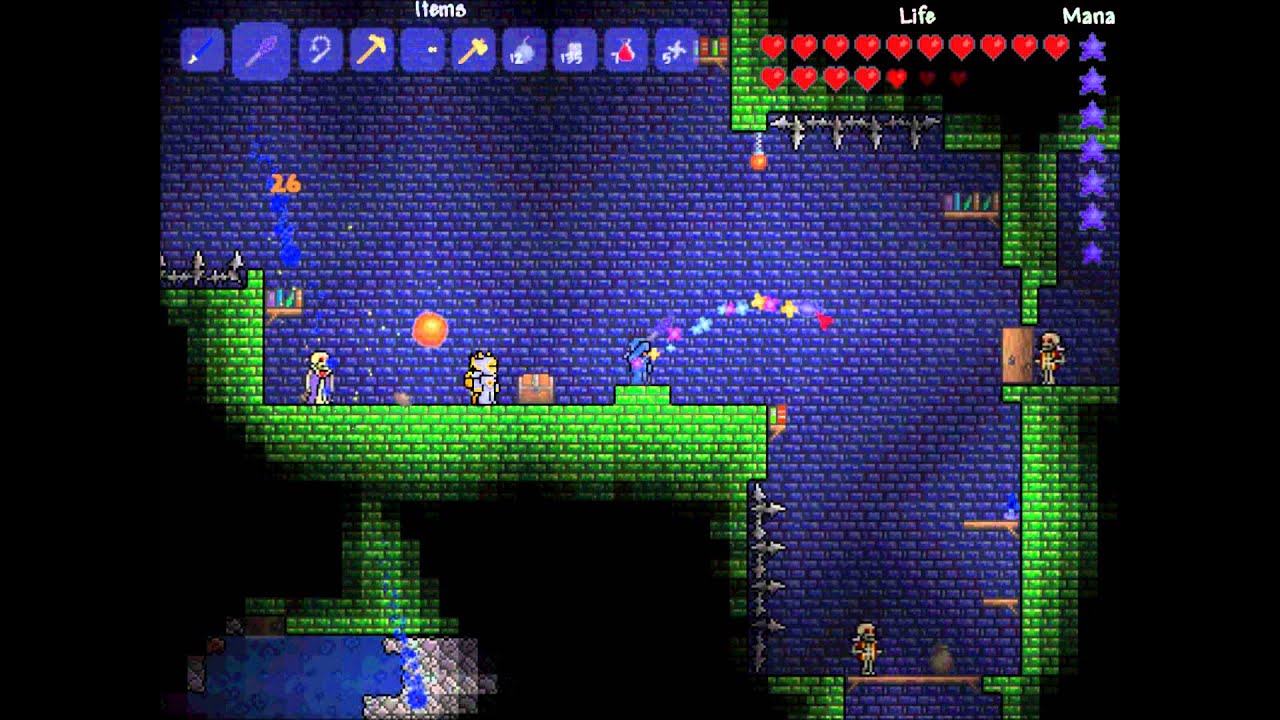
Click to load — YouTube (Google) cookies will be set
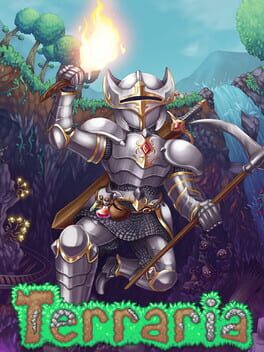
Terraria
- Developer
- Re-Logic
- Publisher
- Re-Logic
- Release Date
- May 16, 2011
- Platforms
- PC (Microsoft Windows) · PlayStation 4 · Xbox One · Nintendo Switch · iOS · Android · Mac · Linux
- Genres
- Adventure · Platform · Role-playing (RPG) · Indie
You Might Also Like
Best Terraria Mods in 2026: Transform Your Game Completely
Discover the best Terraria mods in 2026 — Calamity, Thorium, tModLoader and more. Learn how to install them and what new bosses, classes and biomes they add.
Terraria Hits 70M Sales at 15th Anniversary
Terraria has sold over 70 million copies as it turns 15. Re-Logic confirms crossplay is coming and that updates will continue beyond version 1.4.6.
Terraria vs Minecraft: Who Won the Pixel War 15 Years Later?
Terraria vs Minecraft — 15 years on, these two sandbox giants couldn't be more different. Here's what really separates them and which one is right for you in 2026.