Dragon Quest: Toriyama's 10 Most Iconic Monster Designs
Explore the 10 most iconic Dragon Quest monster designs by Akira Toriyama — from the beloved Slime to the fearsome Dragovian. Here's why they endure.
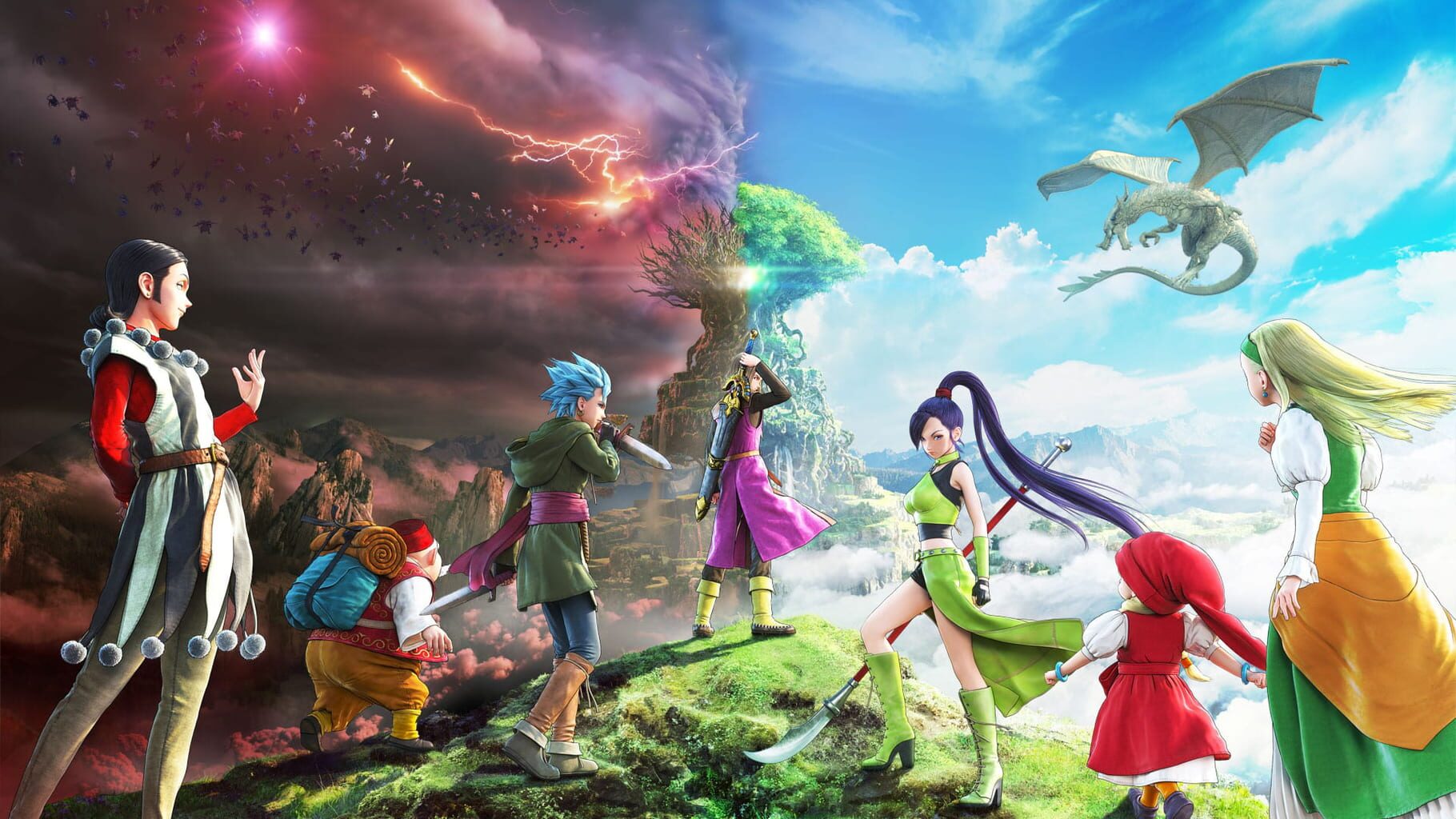
- Akira Toriyama designed Dragon Quest's monsters to feel friendly and memorable even when they're your enemies, giving the series a visual identity unlike any other JRPG.
- The Slime — born from a rough sketch by director Yuji Horii and transformed by Toriyama — became one of gaming's most recognisable icons and the franchise's mascot.
- From Metal Slime to Dragovian, Toriyama's monster roster blends whimsy, wit, and elegance in a way that has shaped JRPG design for nearly four decades.
Why Are Dragon Quest Monsters So Unforgettable?
Dragon Quest's monsters are unforgettable because Akira Toriyama broke the unspoken rule of RPG design: enemies are supposed to be threatening, not charming. From the very first game in 1986, Toriyama designed creatures that players genuinely liked — even as they were fighting them. That tension between cuteness and menace is the secret behind the series' enduring visual identity.
According to a 2007 interview with IGN, director Yuji Horii had sketched a blob of slime as a placeholder enemy. Toriyama returned with a tear-drop shape wearing a wide smile — and the Slime was born. As Horii recalled: "That's part of Toriyama's power, to take something like a pool of slime and use his imagination to make it a great character." That power extended across nearly 400 unique monster designs over 38 years.
Toriyama approached every monster as a character — not a gameplay obstacle. His background in gag manga (Dr. Slump) and action epic (Dragon Ball) gave him an unusual range: he could draw a creature that was simultaneously absurd, lovable, and genuinely intimidating. As Game Rant noted, the Dragon Quest Slime alone has become "one of the most recognisable characters in gaming," transcending the series to appear on Nintendo Switch Pro Controllers and Japanese teapots alike.
What Made Toriyama's Monster Design So Revolutionary?
Before Dragon Quest, Western RPGs drew from Dungeons & Dragons — monsters were grotesque, anatomically detailed, and built to frighten. Toriyama inverted that entirely. His creatures use simple silhouettes, bold primary colours, and expressive faces that read instantly on low-resolution screens. Each design had to communicate its personality in a thumbnail, and Toriyama delivered every time.
His approach was rooted in economy of line. A Slime needs exactly three curves and two dots to be recognisable. A Dracky needs bat wings, buckteeth, and a dopey grin. That simplicity is deceptive — it actually demands more creativity, since each monster must be distinct without the luxury of complex detail. As DualShockers observed in their ranked breakdown of Dragon Quest monster art, "Toriyama's monsters seamlessly combine whimsy and menace, with a pinch of wacky madness for good measure."
There is also a deliberate friendliness in the palette. Even the most dangerous late-game dragons use warm, saturated hues rather than the black-and-grey tones that Western fantasy conventions associate with evil. Players finishing Dragon Quest XI S on PlayStation 4 and Nintendo Switch are still meeting monsters that feel like they belong in the same colourful world as the heroes — a consistency Toriyama maintained across decades of entries.
Which Dragon Quest Monsters Define the Series?
Here are the 10 most iconic monster designs Toriyama gave the Dragon Quest franchise — ranked by their cultural impact, design brilliance, and lasting place in gaming memory.
#10 — Platypunk. A platypus in a mohawk and ripped jeans, Platypunk captures everything eccentric about Toriyama's design sense. It exists to make you laugh — and then respect it for actually posing a threat in the early game. The design proves that comedy and combat competence are not mutually exclusive.
#9 — Dracky. Dragon Quest's answer to the bat enemy trope, Dracky ditches the menace entirely in favour of a wide-eyed, bucktoothed grin. According to IGN's retrospective coverage of the series, it is one of the handful of monsters players across every Dragon Quest entry encounter and immediately recognise. Its spinoff game — Torneko's Great Adventure — gave it expanded lore that made the design even more beloved.
#8 — Healslime. A pink variation on the classic Slime wearing what appears to be a nurse's cap, Healslime is the definitive example of Toriyama using colour and minimal accessory to create an entirely new personality from a base design. It communicates its function — healing — in a single glance without a word of text.
#7 — Golem. Dragon Quest I's Golem was one of the first genuine wall enemies in JRPG history — a giant stone construct that blocked a town and forced players to find a clever solution rather than brute-force a fight. Its blocky, hand-drawn form is pure Toriyama: rough-hewn but full of weight and presence. The Golem reappeared across multiple sequels because fans simply would not let it go.
#6 — Slime Knight. The masterstroke of the Slime Knight is its sheer absurdity: a full suit of plate armour mounted by a tiny Slime, lance raised. Toriyama drew it with a straight face, and that deadpan commitment is what makes it work. The Gamer placed the Slime Knight in their "best of all time" list specifically because it rewards a double-take — the more you look, the funnier and more charming it becomes.
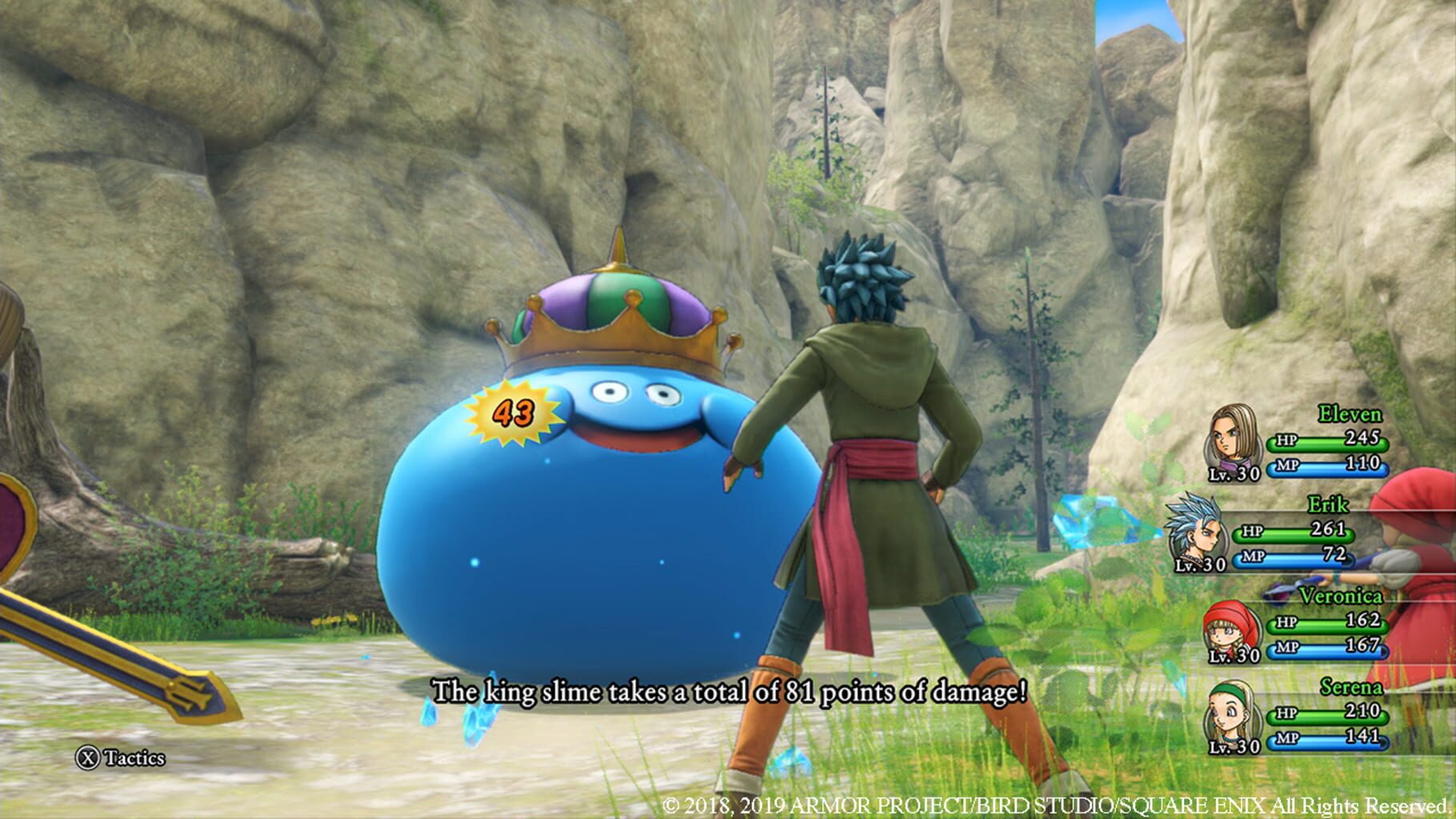
#5 — King Slime. Stack enough Slimes together, crown the pile, and you get one of gaming's most gleefully stupid boss concepts — yet King Slime works completely. Its crown is oversized, its expression is regal and ridiculous simultaneously, and the design scales in visual comedy the larger it appears on screen. Dragon Quest's entire Slime family owes its credibility to the King anchoring the high end.
#4 — Wyvern. Where most Dragon Quest designs lean playful, the Wyvern is pure dragon fantasy — serpentine, muscular, wings spread. Toriyama's Wyvern shows the other side of his range: when the story needs genuine threat, he delivers it without irony. The design influenced an entire generation of Japanese RPG dragon art, and echoes of it appear in Dragon Quest XI S's most dramatic late-game encounters.
#3 — Metal Slime. The Metal Slime is design serving gameplay in perfect harmony. Its silver sheen communicates rarity and value; its terrified expression tells you it wants to flee; its near-invulnerability in battle makes landing a hit feel like lottery jackpot. No other enemy in Dragon Quest history has generated as much player adrenaline from such a simple visual concept. Screen Rant called the Metal Slime "the most prolific" of the series' spin-off stars.
#2 — Dragovian. The Dragovian race from Dragon Quest VIII represents Toriyama's most ambitious monster-adjacent design work — humanoid dragon people with layered armour, reptilian grace, and genuine dignity. They blur the line between monster and character in a way that pushed Dragon Quest's narrative scope. Their visual complexity is a deliberate contrast to the simple Slime at the other end of the roster, and that range is exactly what makes the bestiary feel alive.
#1 — Slime. Nothing in Japanese RPG history matches the Slime. A teardrop, a pair of eyes, a smile — and Toriyama turned it into gaming's most recognised non-human character outside of Pac-Man. The Slime has appeared in every mainline Dragon Quest title, spawned an entire family of variants, starred in its own spin-off games, and become merchandise ranging from plush toys to Switch controllers. Its Wikipedia article credits it as "one of the most recognisable characters in gaming" — a statement that holds up completely.
Is Toriyama's Legacy Safe in Dragon Quest's Future?
Akira Toriyama passed away in March 2024, leaving behind a body of work that reshaped how an entire medium thinks about visual character design. His Dragon Quest monsters are not footnotes to Dragon Ball — they are a parallel legacy, quieter but just as deep. Every Slime plush on a shelf and every Metal Slime missed in battle is a small tribute to 38 years of Toriyama imagining the world's most lovable enemies.
Square Enix has confirmed Dragon Quest XII is in development, with Toriyama having completed design work before his passing. The franchise's visual DNA — those clean silhouettes, warm palettes, and characters with personality built into every curve — will continue. Whether new designers can honour that standard while evolving it is the most interesting question in JRPG design right now.
If you want to experience Toriyama's monster design at its most complete, Dragon Quest XI S: Echoes of an Elusive Age — Definitive Edition is available on Nintendo Switch, PlayStation 4, Xbox One, and PC. It features over 200 unique monster designs and is widely considered the best entry point for newcomers to the series.
Official Trailer

Click to load — YouTube (Google) cookies will be set
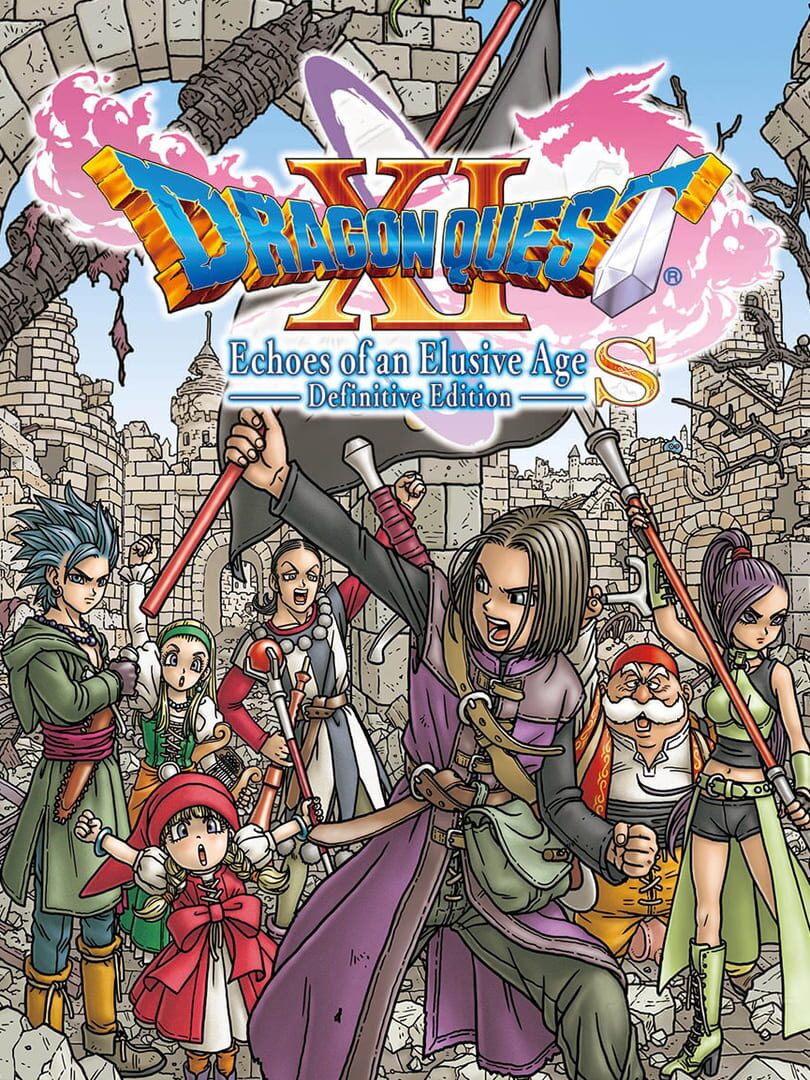
Dragon Quest
- Developer
- Square Enix Business Division 6
- Publisher
- Square Enix
- Release Date
- September 27, 2019
- Platforms
- PlayStation 4 · Nintendo Switch · PC (Microsoft Windows) · Xbox One
- Genres
- Role-playing (RPG) · Turn-based strategy (TBS) · Adventure
You Might Also Like

Metal Slug Sound Design: The Psychology Behind the Iconic Voice
How Metal Slug's lo-fi announcer voice became a global audio trademark more recognisable than most studio logos — and the psychology that made it stick.
Metal Slug: The Story of the Geniuses Behind the Game
How ex-Irem rebels founded Nazca Corporation, built a tank-only prototype, and created Metal Slug — the run-and-gun masterpiece that defined SNK's Neo Geo legacy.
Overwatch at 10: How Blizzard's Hero Shooter Changed Gaming
Overwatch turns 10 in 2026. Discover how Blizzard's hero shooter redefined character diversity, representation, and out-of-game storytelling for a decade.