Overwatch at 10: How Blizzard's Hero Shooter Changed Gaming
Overwatch turns 10 in 2026. Discover how Blizzard's hero shooter redefined character diversity, representation, and out-of-game storytelling for a decade.
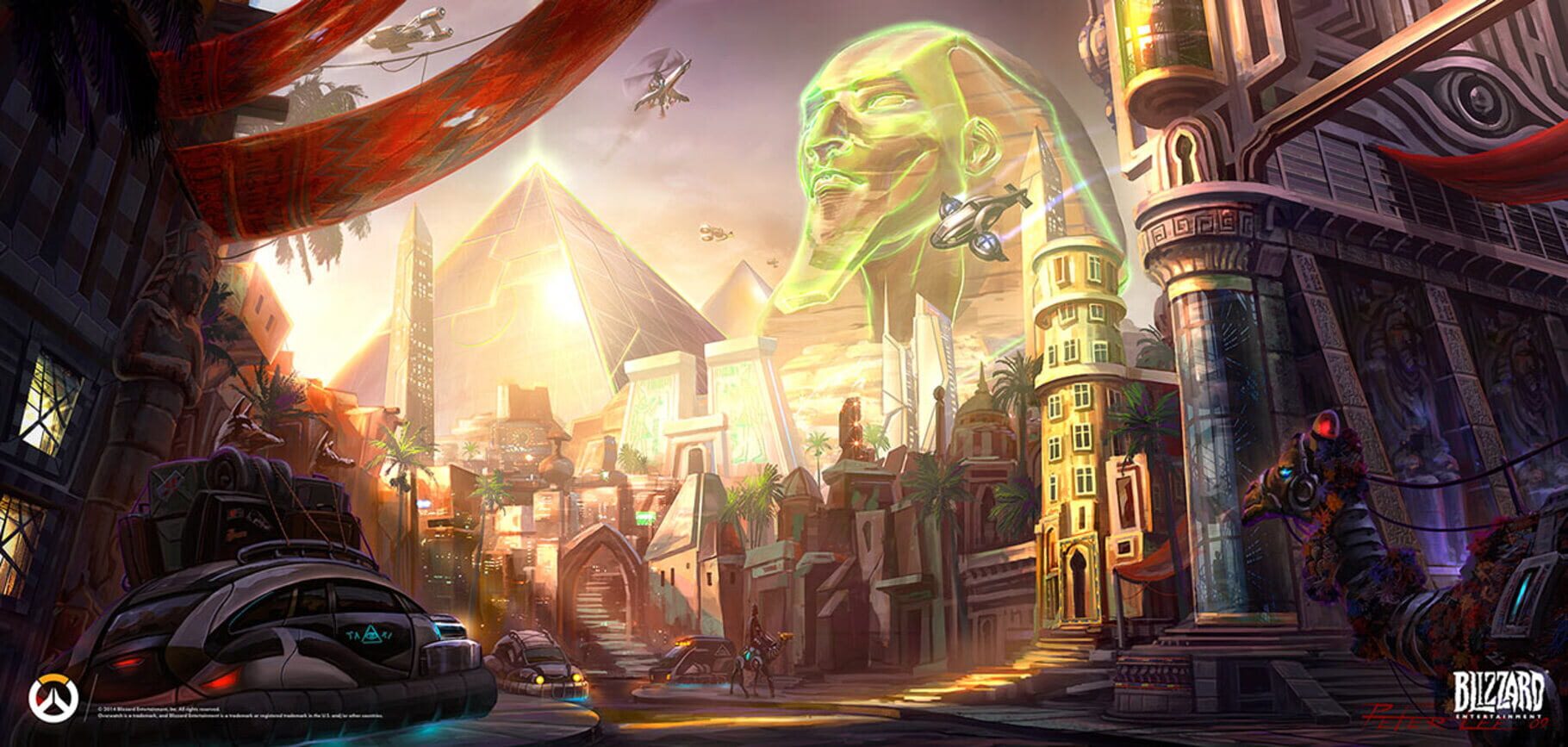
- Overwatch launched in May 2016 with a roster of 21 heroes spanning 16 nationalities — a deliberate design statement that set a new bar for diversity in AAA gaming.
- Blizzard's animated shorts, described by critics as 'the Pixar of video games', pioneered transmedia storytelling and inspired an entire generation of developers to build lore outside the game itself.
- A decade on, Overwatch's influence on character design, inclusive representation, and cinematic world-building remains the blueprint other hero shooters still struggle to match.
What Made Overwatch a Cultural Phenomenon Beyond Just a Video Game?
Overwatch launched on May 24, 2016, and within its first week attracted 9.7 million players across PC, PlayStation 4, and Xbox One. By the end of its launch year, Blizzard reported 25 million registered players — numbers that positioned it not just as a commercial hit, but as a genuine cultural event. The game arrived at a moment when mainstream gaming was dominated by grey-brown military shooters, and its explosion of colour, personality, and diversity felt genuinely radical.
The original 21-hero roster drew from 16 different nationalities — an Egyptian archaeologist, a Brazilian DJ, a Korean professional gamer, a Japanese cyborg ninja, an 89-year-old German scientist. As Eurogamer noted at the time, Blizzard had "built a team shooter around the idea that anyone, anywhere, could see themselves in it." That wasn't accidental. Game director Jeff Kaplan and hero designers made representation a foundational pillar, not an afterthought.
Ten years later, the question isn't whether Overwatch changed gaming culture — it clearly did. The real question is how deep that change runs, and whether the industry truly absorbed the lesson or only borrowed the aesthetic.
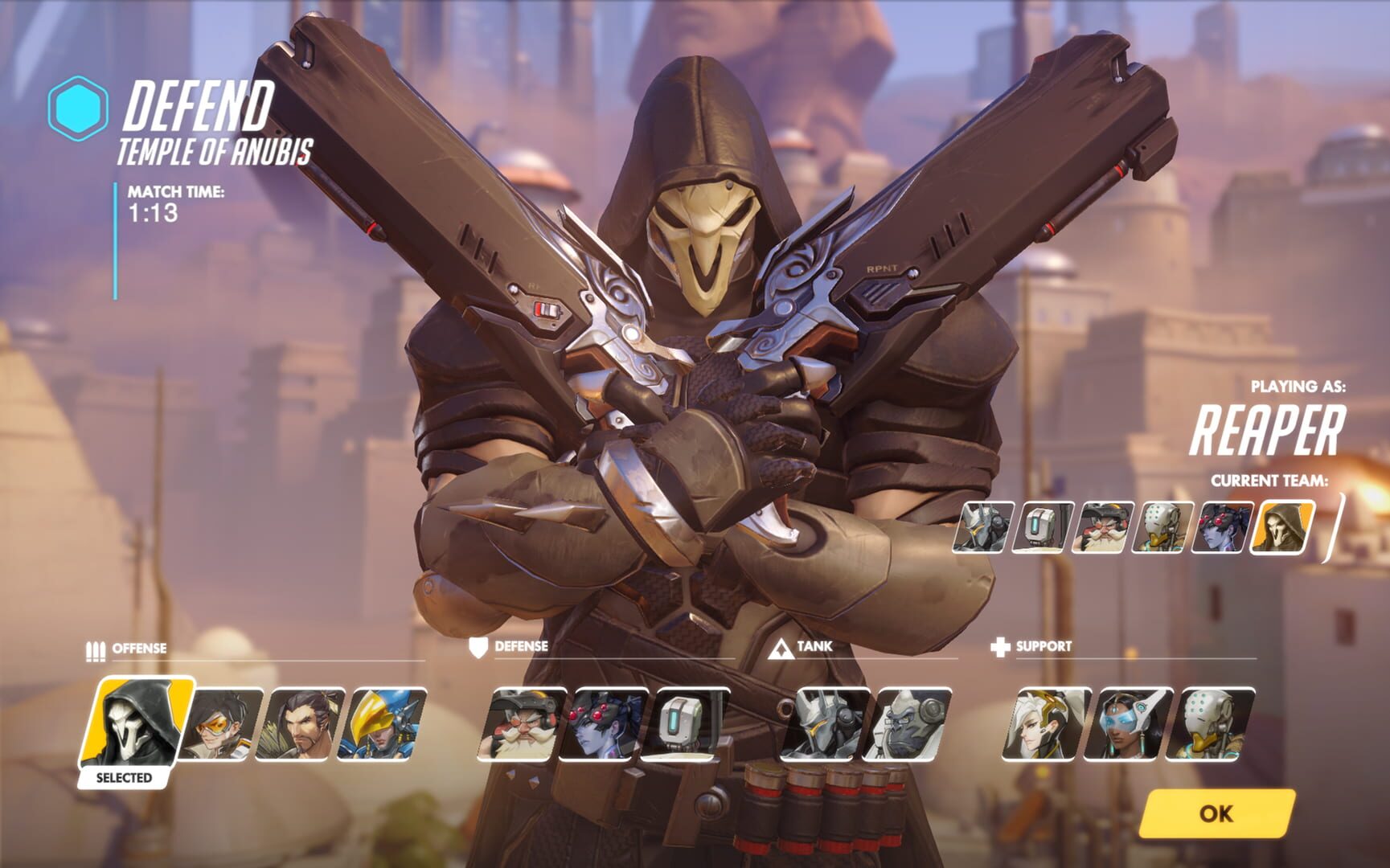
How Did Overwatch Revolutionize Character Diversity in Gaming?
Before Overwatch, diversity in AAA game rosters was largely tokenistic — a single non-white protagonist, a female character defined by her appearance, a cast of interchangeable space marines. Blizzard's design team approached Overwatch differently: every hero needed a distinct nationality, backstory, visual identity, and ability kit that felt culturally coherent. Pharah drew from Egyptian mythology. Lucio's look and music reflected Afro-Brazilian funk and favela culture. Mei was grounded in Chinese scientific tradition.
The game also pushed boundaries on representation that the industry had historically avoided. In December 2016, Blizzard revealed through an in-game comic that Tracer — the game's mascot and most prominent hero — was gay. According to lead writer Michael Chu, it was "important to establish Tracer as a lesbian character early in Overwatch's history". The reveal made international headlines. For many LGBTQ+ players, seeing the face of a blockbuster game confirmed as queer was unprecedented.
Overwatch wasn't without criticism. As noted in analyses published by The Fandomentals and Medium, some hero skins were accused of cultural appropriation — festive costumes that reduced complex cultural traditions to visual shorthand. The game's handling of queer representation was also critiqued for keeping LGBTQ+ identity largely outside the game itself, confined to supplemental media. But these tensions are themselves evidence of impact: Overwatch raised the bar high enough that people expected it to clear it every time.
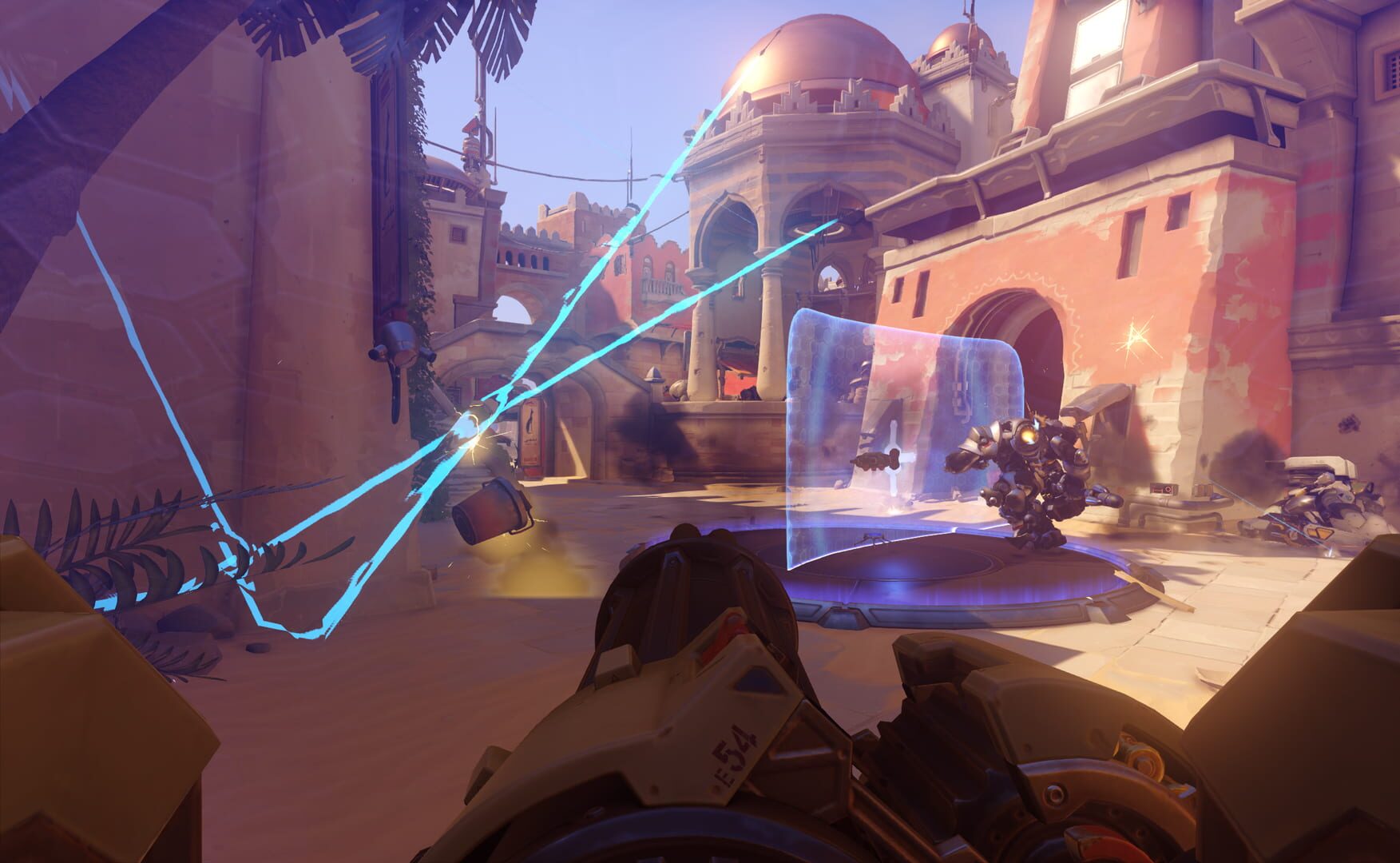
Did Overwatch's Animated Shorts Change How Games Tell Stories?
Overwatch launched without a campaign mode — and that was the point. Blizzard instead built its world through animated shorts, digital comics, short stories, and in-game voice interactions. This transmedia approach was deliberate: each format contributed uniquely to a shared universe, rewarding fans who followed every thread while remaining accessible to those who only played the game. As Kill Screen described it in 2016, Overwatch offered "the pleasure of transmedia narratives" — a story you inhabited rather than watched.
The animated shorts themselves were genuinely cinematic. "Recall", "Alive", "Dragons", "Hero" — each was a self-contained story with professional voice acting, Pixar-adjacent animation quality, and emotional weight. ScreenHub Australia called them "the pioneering animation of gaming's most beloved cinematic universe." IGN praised the shorts as proof that video game characters could anchor serious narrative investment. Blizzard released them free on YouTube, where they regularly pulled 10–30 million views each.
The influence on the industry was direct. Developers across the world began investing in pre-launch animated content — from Riot Games building an entire animated series (Arcane) around League of Legends lore, to Apex Legends launching character trailers in the Overwatch mould. The model Blizzard pioneered — "don't put the story in the game, build the story around the game" — became a template that studios with live-service ambitions adopted wholesale.
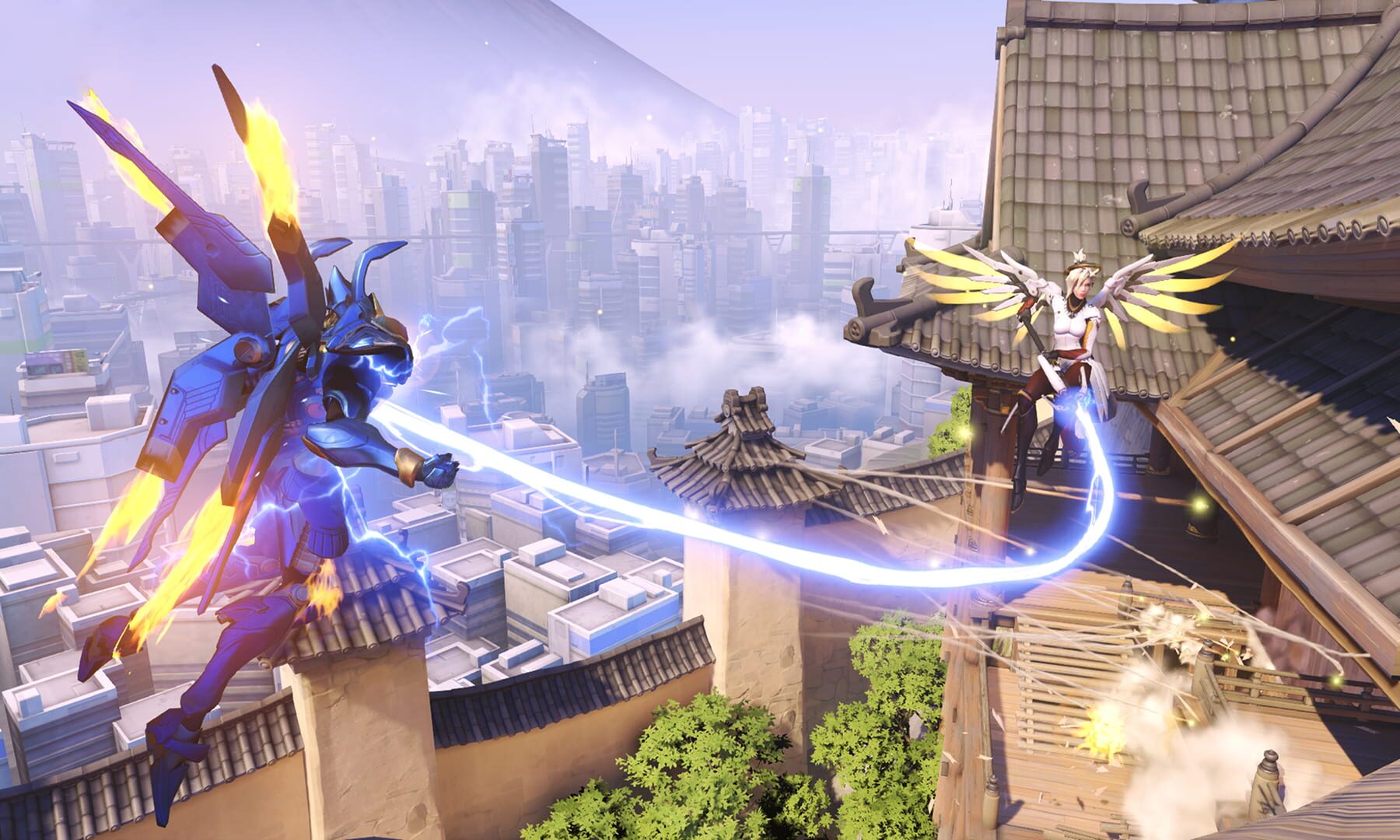
What Is Overwatch's Cultural Legacy After a Decade?
By 2026, Overwatch's 10th anniversary arrived in a complicated moment. The game transitioned to Overwatch 2 in 2022, the original servers were shut down, and the anniversary event itself drew criticism from players who felt the celebration didn't match the occasion. Yet the cultural imprint of the original game remains unmistakable. Virtually every hero shooter released since 2016 — Valorant, Apex Legends, Paladins, Battleborn, Marvel Rivals — was designed in direct conversation with Overwatch's template: defined hero abilities, role-based team composition, personality-driven characters with rich backstories.
More broadly, Overwatch demonstrated that mainstream gaming audiences would embrace diversity not as a commercial risk but as a strength. Its roster proved that players would care deeply about characters from backgrounds wildly different from their own — that a gay woman from London, a Buddhist omnic monk, or a time-displaced cowboy could all become icons. That lesson, absorbed or not by individual studios, changed what the conversation around game character design sounds like in 2026.
If you want to understand the current state of live-service hero shooters — from Valorant's agent design to Marvel Rivals' roster philosophy — study Overwatch. The diversity-first approach, the animated short format, and the transmedia lore model pioneered between 2016 and 2019 remain the clearest roadmap in the genre. Follow Overwatch's official channels and the NexusPlay features section for ongoing analysis.
Official Trailer

Click to load — YouTube (Google) cookies will be set
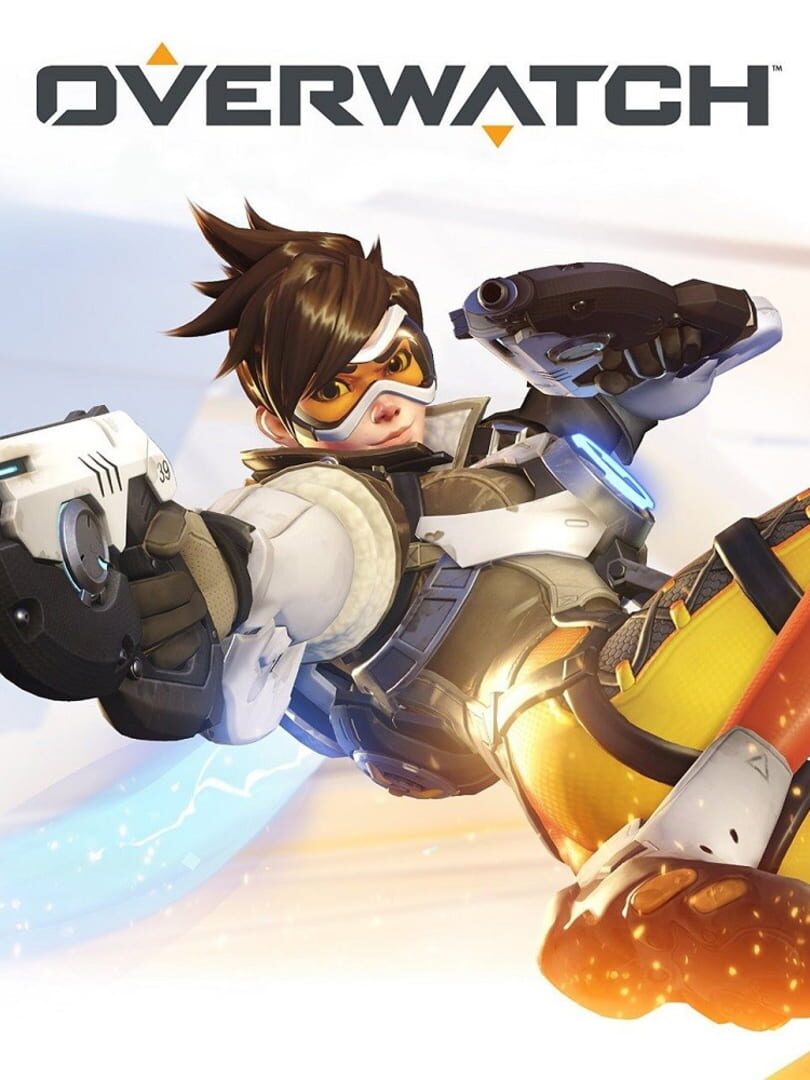
Overwatch
- Developer
- Blizzard Entertainment
- Publisher
- Blizzard Entertainment
- Release Date
- May 24, 2016
- Platforms
- PC (Microsoft Windows) · PlayStation 4 · Xbox One · Nintendo Switch
- Genres
- Shooter · Strategy
You Might Also Like
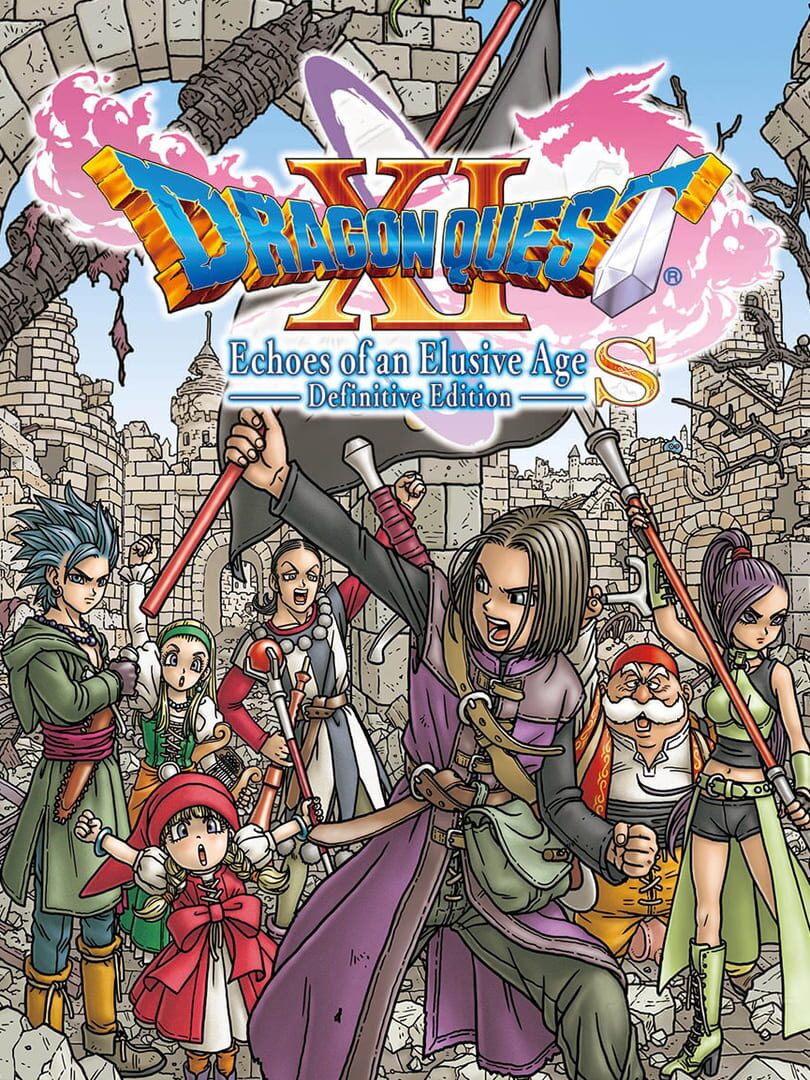
Dragon Quest: Toriyama's 10 Most Iconic Monster Designs
Explore the 10 most iconic Dragon Quest monster designs by Akira Toriyama — from the beloved Slime to the fearsome Dragovian. Here's why they endure.
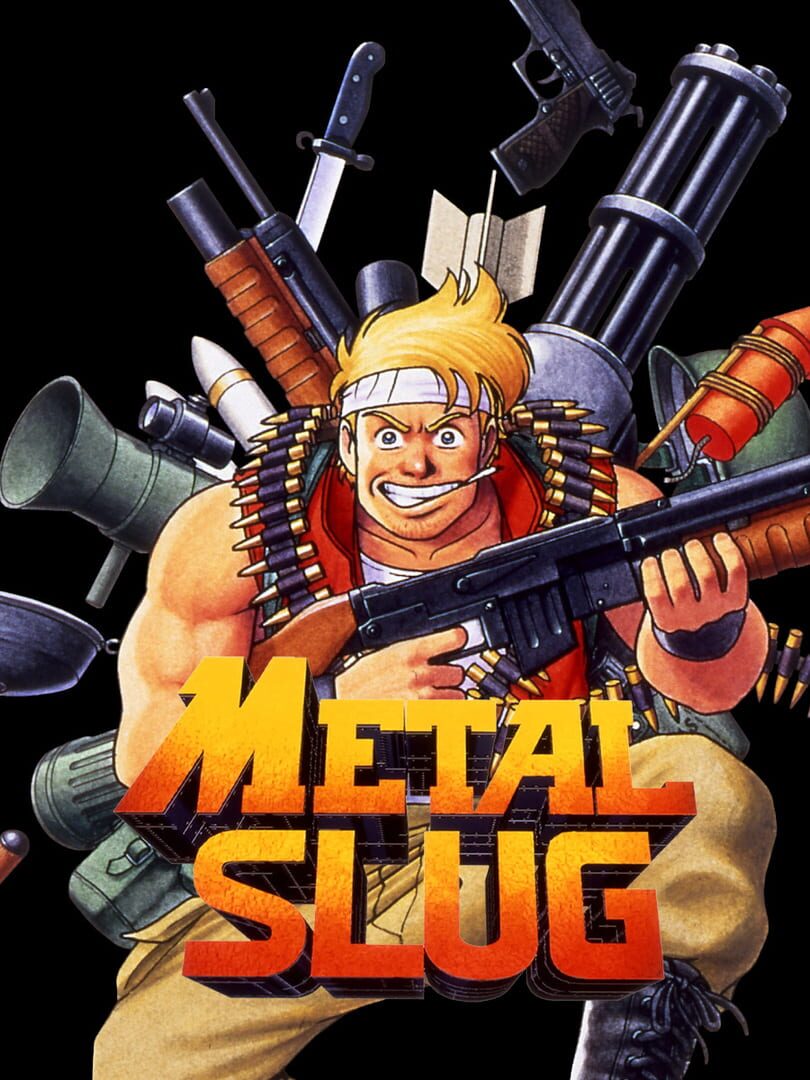
Metal Slug Sound Design: The Psychology Behind the Iconic Voice
How Metal Slug's lo-fi announcer voice became a global audio trademark more recognisable than most studio logos — and the psychology that made it stick.
Metal Slug: The Story of the Geniuses Behind the Game
How ex-Irem rebels founded Nazca Corporation, built a tank-only prototype, and created Metal Slug — the run-and-gun masterpiece that defined SNK's Neo Geo legacy.