Nioh 3 Review: Team Ninja's Open-World Gamble Mostly Pays Off
Nioh 3 is the most ambitious game Team Ninja has ever made — an open-world soulslike that expands the series without losing its mechanical depth. A flawed but remarkable achievement. Score: 8.0.
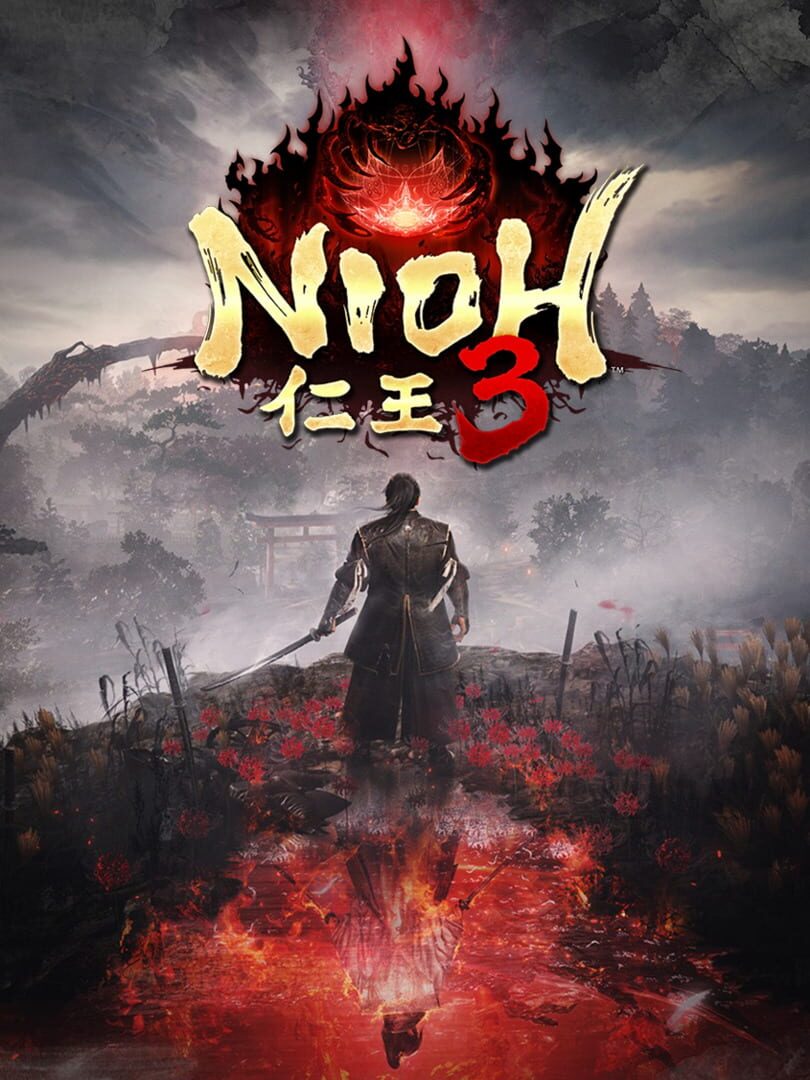
- Score 8.0/10 — the most ambitious Nioh yet, with deeper RPG systems than any prior entry
- The open world adds exploration and verticality but can dilute the focused encounter design of Nioh 2
- Ki Pulse and Stance mechanics remain best-in-class — the combat ceiling is extraordinarily high
The Big Change: Nioh 3 Goes Open World
The Nioh series built its reputation on tightly-designed mission corridors — dense, enemy-filled gauntlets where every room felt deliberate. Nioh 3 throws that template away entirely. Set in a mythological Sengoku-era Japan reborn after a dimensional collapse, the game's world is a fully interconnected open landscape spanning six distinct regions, each controlled by a different Yokai lord.
The transition works better than expected. Team Ninja uses the open world to create natural chokepoints, hidden shortcuts, and ambush zones that mimic the density of Nioh 2's corridors. However, the weakest stretches — particularly the central plains biome — feel underpopulated and lack the relentless pressure the series is known for.
Does the Ki Pulse System Still Hold Up?
Absolutely. The Ki Pulse mechanic — tapping R1 at the right moment to restore stamina mid-combo — returns as the foundation of combat. Nioh 3 adds Resonance Pulses, a new system where landing three consecutive Ki Pulses triggers an elemental burst that staggers enemies and resets your stance cooldowns. In practice, it adds a new rhythm to combat that is deeply satisfying to master.
All three stances return (Low, Mid, High) with expanded move lists. Each weapon type now has a fourth Resonance Stance unlocked through a new skill tree that opens up after defeating the first major Yokai lord. The combat ceiling is as high as it has ever been in this series.
The Loot and Build System: More or Too Much?
Nioh 3 has the deepest build system in the series and possibly in the action-RPG genre. The Amrita Soul system lets you infuse weapons with the essence of defeated Yokai, granting passive abilities drawn from their specific attack patterns. A weapon infused with Oni essence gains heavy stagger bonuses. One infused with Kappa essence becomes slippery and grants evasion frames on parry.
The downside: the loot waterfall is relentless. Casual players will drown in un-compared gear long before understanding what stats to prioritise. A crafting overhaul or better in-game tooltips would dramatically improve accessibility without sacrificing depth.
Nioh 3 is a bold evolution that mostly succeeds. The open-world transition preserves the series' mechanical depth while adding genuine exploration and build variety. Some stretches feel underdesigned compared to Nioh 2's tighter corridors, but this is still the best action-RPG of early 2026 outside the Soulsborne space.
How Does Nioh 3 Compare to Nioh 2?
Nioh 2 remains the series high point for pure encounter design — its final third is among the best level design in the action genre. Nioh 3 surpasses it in scope, build depth, and world-building, but cannot match its predecessor's precision. Think of it this way: Nioh 2 is a perfectly aimed arrow; Nioh 3 is a siege engine. Both are formidable, but for different reasons.
You Might Also Like
Dragon Quest: Toriyama's 10 Most Iconic Monster Designs
Explore the 10 most iconic Dragon Quest monster designs by Akira Toriyama — from the beloved Slime to the fearsome Dragovian. Here's why they endure.

Metal Slug Sound Design: The Psychology Behind the Iconic Voice
How Metal Slug's lo-fi announcer voice became a global audio trademark more recognisable than most studio logos — and the psychology that made it stick.
Metal Slug: The Story of the Geniuses Behind the Game
How ex-Irem rebels founded Nazca Corporation, built a tank-only prototype, and created Metal Slug — the run-and-gun masterpiece that defined SNK's Neo Geo legacy.