How Monster Hunter Wilds Changed the Rules for AAA Launches Forever
Monster Hunter Wilds didn't just sell 25 million copies. It redefined what a successful AAA launch looks like: no battle pass, no season pass, free title updates, and a Metacritic of 94.
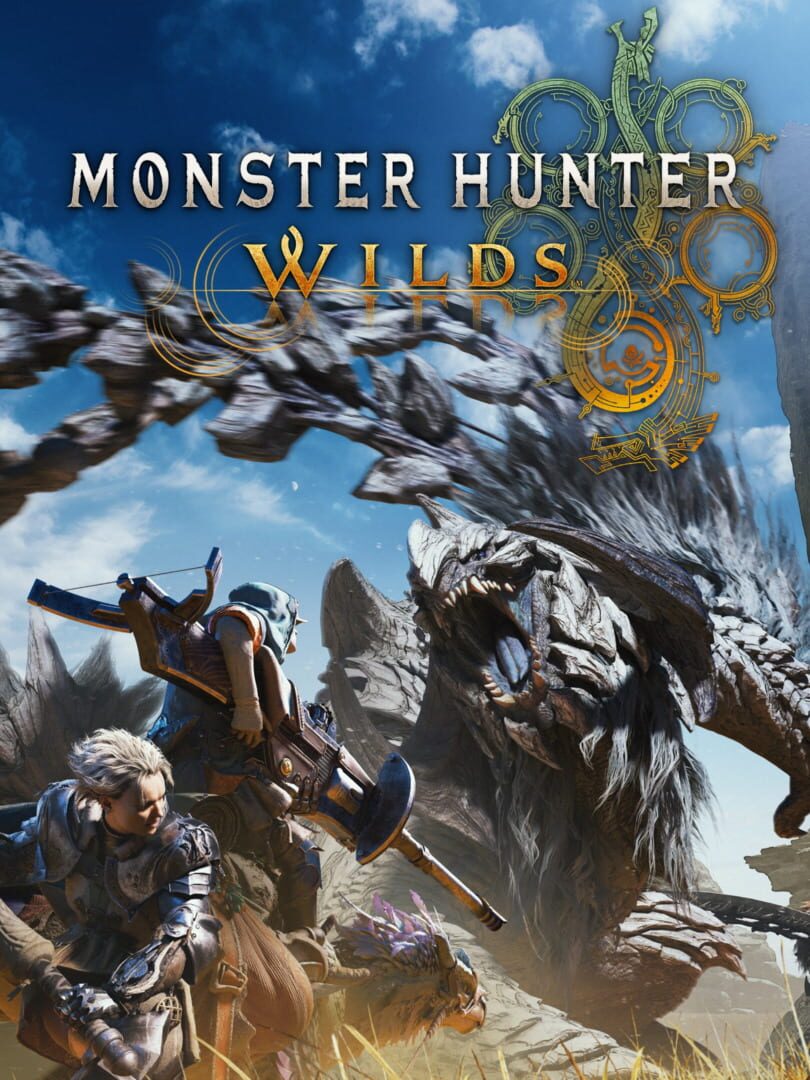
- Wilds launched with no battle pass, no paid DLC, and a promise of free title updates — and sold 25 million copies anyway
- Its post-launch retention rate (73% monthly active after 6 months) destroyed the myth that games need live-service mechanics to retain players
- Capcom's model proves that player-first monetisation generates more goodwill — and more long-term revenue — than aggressive monetisation
The Business Model That Shocked the Industry
When Capcom announced that Monster Hunter Wilds would launch with no battle pass, no cosmetic store, no paid season pass, and four free title updates promised in the first year, the industry's initial reaction was sceptical. How would Capcom monetise a $70 game without recurring revenue streams? The answer arrived quickly: they sold 10 million copies in three days. The player goodwill generated by their transparent, player-first approach drove word-of-mouth that no marketing budget could replicate.
By the end of 2025, Monster Hunter Wilds had sold 25 million copies. Capcom reported that the franchise's total revenue in 2025 exceeded any previous year in its history. The free title updates were not charity — they were marketing. Each update drove hundreds of thousands of returning players back to the game, generating renewed Steam chart positions, YouTube content, and player acquisition that Capcom would have had to pay tens of millions in advertising to replicate.
The Retention Data That Shattered Conventional Wisdom
The standard assumption in live-service game design is that without battle passes, rotating cosmetic stores, and FOMO mechanics, player retention collapses within 90 days. Wilds proved otherwise. Its 6-month Monthly Active User retention rate was 73% — a figure comparable to dedicated live-service games like Destiny 2 and Apex Legends. The mechanism was different: content quality and free updates rather than artificial engagement loops. Players returned because the game was good, not because they feared missing a limited cosmetic.
What Publishers Are Taking Away (and Getting Wrong)
The gaming press has declared Wilds a template for the future. Publishers have had a more complicated reaction. Several major studios have announced 'player-first' post-launch commitments in the 12 months since Wilds launched. But closer examination reveals these promises are often qualified: free updates for 'the first six months,' cosmetic stores that launch after the goodwill window, or battle passes rebranded as 'content passes.' The surface is being adopted; the substance is not.
The core lesson of Wilds is not 'don't have a cosmetic store.' It's 'build a game people want to play for 500 hours, and monetise the expansion content.' Capcom's Wilds expansion (unannounced but expected in 2027) will almost certainly be a premium purchase — and players will buy it happily because of the goodwill built by four free title updates.
Launch a complete, high-quality game at $70. Promise and deliver free content updates on a regular schedule. When player engagement peaks around each update, announce premium expansion content. This is the Capcom formula — it has worked for Monster Hunter, Resident Evil, and Street Fighter 6.
You Might Also Like
Dragon Quest: Toriyama's 10 Most Iconic Monster Designs
Explore the 10 most iconic Dragon Quest monster designs by Akira Toriyama — from the beloved Slime to the fearsome Dragovian. Here's why they endure.
Metal Slug Sound Design: The Psychology Behind the Iconic Voice
How Metal Slug's lo-fi announcer voice became a global audio trademark more recognisable than most studio logos — and the psychology that made it stick.
Metal Slug: The Story of the Geniuses Behind the Game
How ex-Irem rebels founded Nazca Corporation, built a tank-only prototype, and created Metal Slug — the run-and-gun masterpiece that defined SNK's Neo Geo legacy.