The Indie Game Renaissance of 2025–2026: Why Small Studios Are Winning
While AAA publishers struggle with $300M budgets and layoffs, indie studios are shipping some of the most creative and commercially successful games in history.
- Indie games captured 38% of total Steam revenue in 2025 — up from 22% in 2020, a historic high
- Tools like Godot 5, Unreal 5's Fab marketplace, and AI-assisted asset generation have slashed solo dev costs by 60%
- The games industry's layoff crisis paradoxically fuelled indie output: many laid-off AAA devs launched their own studios
The Numbers Don't Lie: Indie Is Bigger Than Ever
In 2020, indie games represented 22% of Steam revenue. In 2025, that figure reached 38%. Simultaneously, the number of indie games releasing on Steam crossed 16,000 in a single year — a record. This is not a niche phenomenon. Indie gaming is now the dominant revenue driver on the world's largest PC gaming platform, and the trend shows no sign of reversing.
The data points to a structural shift in how games are made and consumed. Players who spent their teenage years with Steam are now in their 20s and 30s with disposable income and nostalgia for the mid-budget, mechanically-rich experiences that indie studios specialise in. And crucially: the tools to make those games have never been more accessible.
How Technology Has Democratised Game Development
Three technological shifts have transformed indie game development since 2022. First: Godot 4 and Godot 5's arrival as a genuinely competitive free alternative to Unity. After Unity's disastrous runtime fee announcement in 2023, thousands of developers migrated to Godot, creating a vibrant ecosystem of tutorials, assets, and community support. Godot-made games shipped 3x more in 2025 than in 2023.
Second: AI-assisted asset generation. Tools like Midjourney for concept art, Udio for music, and ElevenLabs for voice acting have enabled solo developers to ship games with production values previously requiring 10-person teams. A single developer with these tools can produce assets that, three years ago, would have required a $200,000 art budget.
The Breakout Indie Hits of 2025–2026
The last 18 months have produced remarkable commercial and critical successes from small studios. Hollow Knight: Silksong finally launched in August 2025 to a 96 Metacritic score and 4 million copies in its first week. Balatro sequels and imitators dominated the roguelike card game subgenre with collectively over $200M in revenue. And the breakout hit of early 2026 — Caves of Qud: Ascendant Edition — proved that deeply complex simulation games can reach mainstream audiences with the right presentation.
Manor Lords: Kingdom Edition (September 2026), Vampire Survivors 2 (TBA 2026), Slay the Spire 2 (Q3 2026). All three from studios with under 20 employees, each with massive pre-existing audiences built on their predecessors.
Why the AAA Layoff Crisis Fuelled Indie Output
GDC 2026's State of the Industry report found that one-third of game developers had been laid off or changed employers in the previous two years. But the data also shows what happened next: a significant proportion of laid-off developers used severance payments and industry experience to launch indie studios. The 2025–2026 indie renaissance is, in part, made possible by the very crisis that fractured AAA development. Experienced engineers and artists who could no longer find stable employment at EA, Unity, or Embracer Group channelled their skills into personal projects — and many succeeded.
You Might Also Like
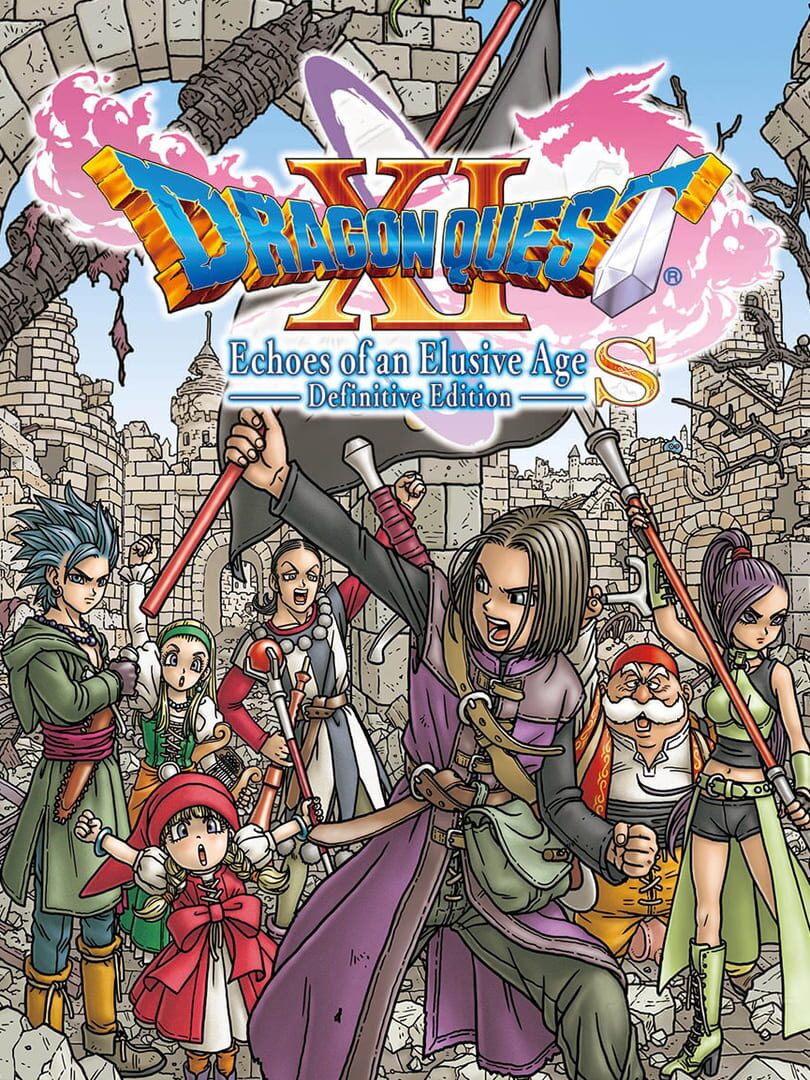
Dragon Quest: Toriyama's 10 Most Iconic Monster Designs
Explore the 10 most iconic Dragon Quest monster designs by Akira Toriyama — from the beloved Slime to the fearsome Dragovian. Here's why they endure.
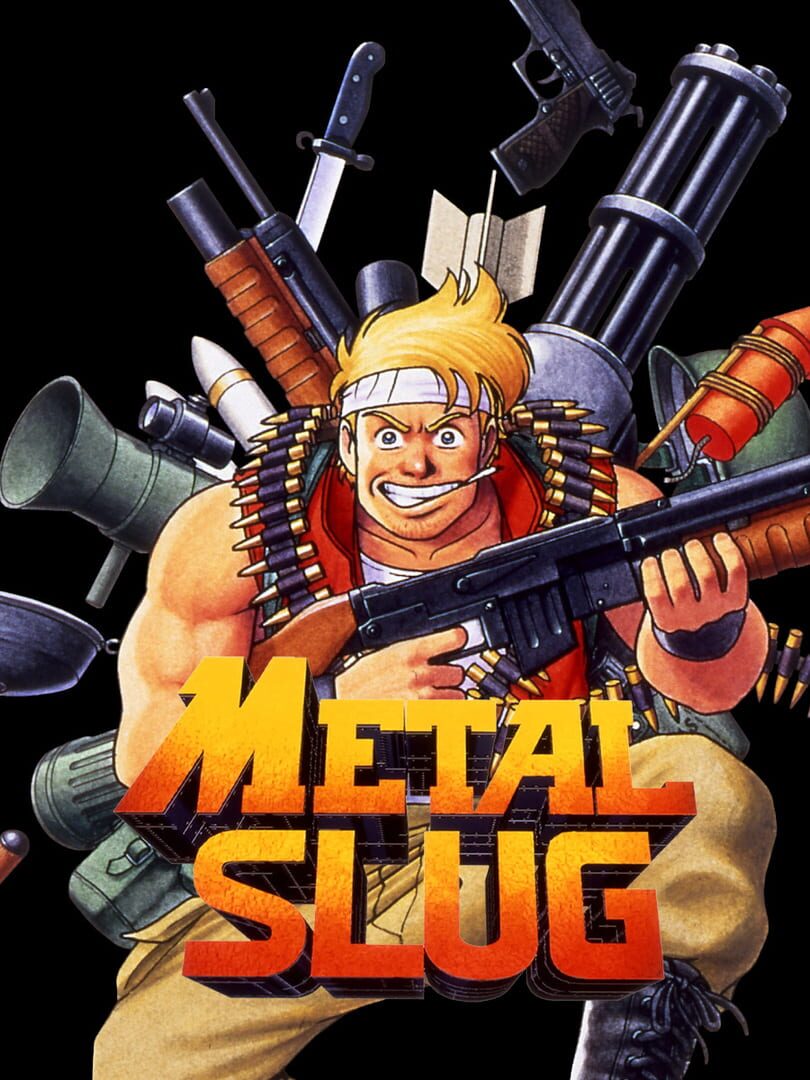
Metal Slug Sound Design: The Psychology Behind the Iconic Voice
How Metal Slug's lo-fi announcer voice became a global audio trademark more recognisable than most studio logos — and the psychology that made it stick.
Metal Slug: The Story of the Geniuses Behind the Game
How ex-Irem rebels founded Nazca Corporation, built a tank-only prototype, and created Metal Slug — the run-and-gun masterpiece that defined SNK's Neo Geo legacy.