Fire Emblem Genealogy: The Game of Thrones of Video Games
In 1996, Intelligent Systems created a political epic so bold it still outshines most modern AAA narratives. Genealogy of the Holy War remains unmatched.
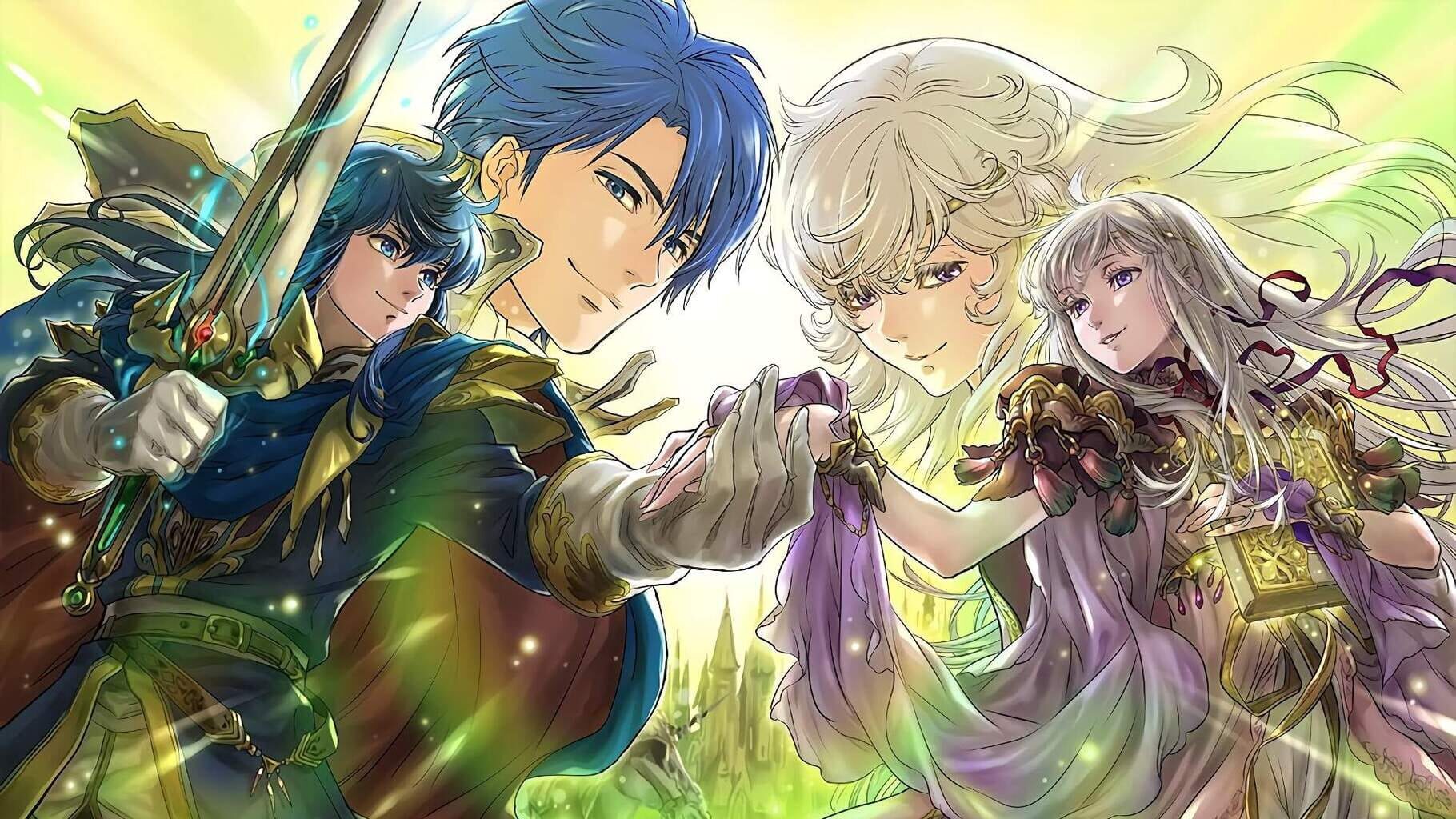
- Released in 1996, Genealogy of the Holy War features political betrayals, generational warfare, and brutality that few modern games dare to replicate.
- Its inheritance system ties character relationships directly to story outcomes, creating narrative complexity unmatched in tactical RPGs.
- Thirty years on, this SNES classic still outclasses most modern AAA games on sheer narrative ambition and emotional courage.
Is Fire Emblem: Genealogy of the Holy War the Most Underrated Narrative in Gaming?
In 2026, major publishers spend hundreds of millions of dollars producing cinematic epics with Hollywood casts, motion-captured performances, and photorealistic open worlds. And yet, somehow, a 30-year-old Super Famicom tactical RPG still tells a more sophisticated political story than most of them. Fire Emblem: Seisen no Keifu — known in English as Genealogy of the Holy War — was released in Japan on May 14, 1996. It has never received an official Western localization. And it remains, by almost any narrative measure, one of the most ambitious games ever made.
Developed by Intelligent Systems and published by Nintendo, Genealogy was produced during a particularly fertile period for Japanese role-playing games. The mid-1990s Super Famicom library was arguably the richest concentration of narrative experimentation the medium has ever seen — Final Fantasy VI, Chrono Trigger, Tactics Ogre, and Mother 2 all appeared within the same short window. Genealogy belongs in that elite company, and its absence from Western gaming culture is one of the great oversights of localization history.
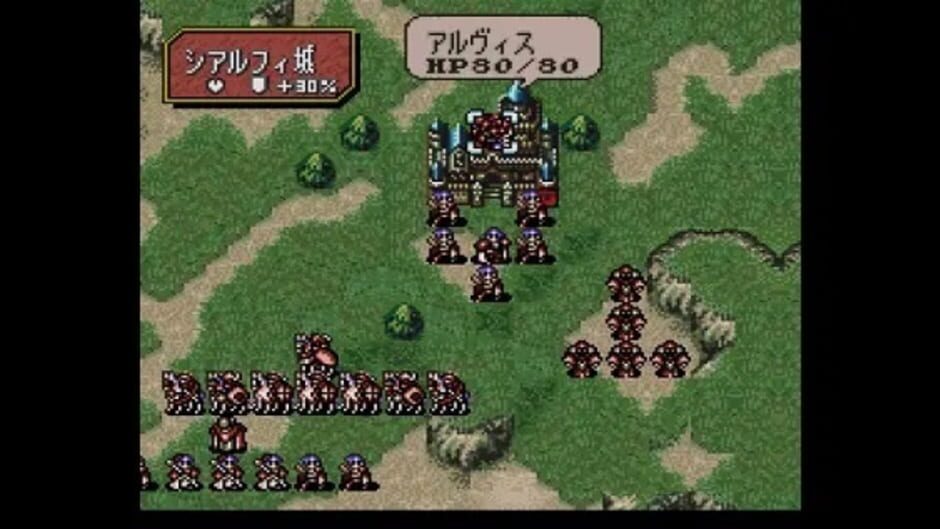
What Makes Genealogy of the Holy War's Story So Remarkable?
The game's plot unfolds across two complete generations, a structural choice that remains extraordinarily rare in gaming. The first generation follows Sigurd of Chalphy, a young Grannvalian knight drawn into a seemingly manageable border conflict that gradually expands into a continent-spanning political catastrophe. Characters you fight alongside in the opening hours betray you. Allies become enemies. And then, in what remains one of the most shocking moments in the entire Fire Emblem series, the game pulls the rug from under everything you have built.
The second generation then follows Seliph, Sigurd's son, as he leads a liberation army to dismantle the empire built from the ashes of the first generation's war. The inheritance system — where children inherit items, stats, and abilities from their parents — means that every pairing choice the player makes in generation one ripples forward into generation two, binding narrative and mechanics in a way that few games have managed. Your choices don't just affect gameplay; they shape the story's human texture.
What elevates Genealogy beyond mere complexity is its moral weight. The game does not present warfare as heroic or consequence-free. Sigurd's expansionist campaigns, undertaken with the best of intentions, visibly destabilize the societies he 'liberates.' The game asks whether good intentions excuse bad outcomes — and it does so without ever providing a clean answer. This is territory that most contemporary AAA games, despite nine-figure budgets and narrative consultants, still refuse to enter.
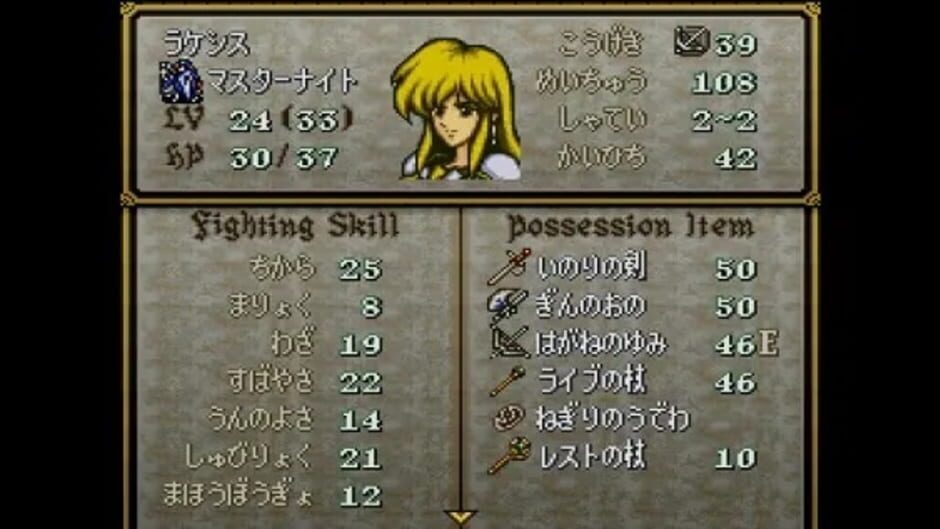
How Does the Gameplay Hold Up Thirty Years Later?
Genealogy's tactical gameplay is deliberately slower and more methodical than later Fire Emblem entries. Maps are enormous — some taking 45 minutes to an hour to complete — and the strategic challenges are as much about positioning and resource management as turn-by-turn combat. The weapon triangle system introduced here established the template that the series would refine for three decades. The permadeath mechanic, a Fire Emblem staple, hits differently in Genealogy because you know these characters' children are coming — losing a unit has consequences not just for the current battle, but for the next generation's story.
Why Does Genealogy Still Surpass Modern AAA Games Narratively?
The comparison to Game of Thrones is not hyperbolic. Both properties deal in dynastic politics, unexpected deaths, generational trauma, and the corrupting nature of power. Both refuse to protect their protagonists from consequence. The difference is that Genealogy did it in 1996, with 16-bit sprites and MIDI music, without the benefit of prestige television production values. The game earned its darkness through restraint and structural elegance, not shock value.
Modern AAA games often mistake production value for narrative depth. Genealogy of the Holy War demonstrates that complex, emotionally resonant storytelling requires neither a massive budget nor photorealistic graphics — only the courage to take players seriously as an audience. In 2026, as the gaming industry continues to debate whether games can be art, Genealogy quietly remains a 30-year-old answer to that question.
Should You Play Fire Emblem: Genealogy of the Holy War in 2026?
Genealogy is available on Nintendo Switch Online's Super Nintendo library in Japan, and a comprehensive fan translation makes the English-language experience highly polished. If you have any interest in tactical RPGs, in Fire Emblem, or simply in exceptional narrative design, this game is essential. Be warned: the maps are long, the stakes are unforgiving, and the story will genuinely surprise you. That last part, in 2026, is rarer than it has any right to be.
Fire Emblem: Genealogy of the Holy War is a masterpiece the Western gaming world largely missed. Thirty years after release, its political depth, generational storytelling, and emotional brutality put most modern AAA narratives to shame. It is proof that great game writing has never required a large budget — only ambition and the willingness to trust the player.
Official Trailer

Click to load — YouTube (Google) cookies will be set
Fire Emblem: Seisen no Keifu
- Developer
- Intelligent Systems
- Publisher
- Nintendo
- Release Date
- May 14, 1996
- Platforms
- Super Famicom · Wii · Wii U · New Nintendo 3DS · Nintendo Switch
- Genres
- Role-playing (RPG) · Strategy · Turn-based strategy (TBS)
You Might Also Like
Dragon Quest: Toriyama's 10 Most Iconic Monster Designs
Explore the 10 most iconic Dragon Quest monster designs by Akira Toriyama — from the beloved Slime to the fearsome Dragovian. Here's why they endure.
Metal Slug Sound Design: The Psychology Behind the Iconic Voice
How Metal Slug's lo-fi announcer voice became a global audio trademark more recognisable than most studio logos — and the psychology that made it stick.
Metal Slug: The Story of the Geniuses Behind the Game
How ex-Irem rebels founded Nazca Corporation, built a tank-only prototype, and created Metal Slug — the run-and-gun masterpiece that defined SNK's Neo Geo legacy.