Monster Hunter Wilds Beginner's Guide 2026: Start Hunting Like a Pro
New to Monster Hunter Wilds? This complete beginner's guide covers every core system: weapon selection, the camp network, wound mechanics, and your first 10 hunts mapped out step by step.
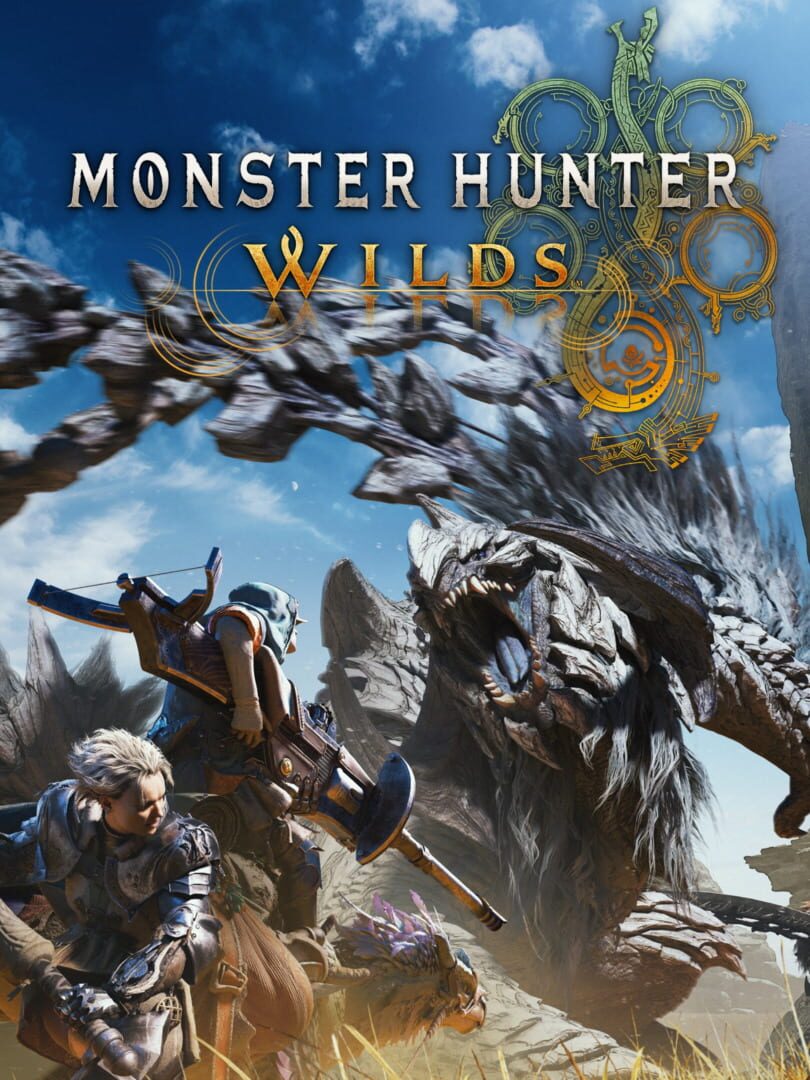
- Pick a weapon type in the first hour and stick with it — mastery beats variety in Monster Hunter
- The wound system is the core combat mechanic of Wilds — understanding it will double your damage output
- Upgrade your camp network early: a well-supplied camp means shorter hunts and more efficient farming
Which Weapon Should You Start With?
Monster Hunter Wilds has 14 weapon types. The sheer breadth is intimidating. Here is our honest advice: ignore most of them at the start. Pick one weapon from the three beginner-friendly archetypes and learn it properly.
For beginners who want straightforward damage: the Great Sword. Massive alpha strikes, simple combo structure, and the satisfying True Charge Slash is learnable in your first hour. For beginners who want mobility: the Dual Blades. Light, fast, Demon Mode unlocks a DPS burst that is forgiving to execute. For beginners who want range: the Bow. Fluid movement, consistent damage, and you're never locked into attack animations that leave you exposed.
How Does the Wound System Work?
Wounds are the central innovation of Monster Hunter Wilds. Dealing enough damage to a specific body part creates a Wound — a visible gash marked by an orange glow. Activating Focus Mode (hold L2/LT) and attacking a Wound deals bonus damage and generates extra materials in post-hunt rewards. Every monster has unique Wound locations, and targeting them strategically is the difference between a 15-minute hunt and a 30-minute one.
Wounds also trigger monster staggers. When a Wound breaks, the monster is briefly staggered, giving you a free hit window. On large monsters, breaking the head Wound causes a topple that lasts 5–8 seconds — enough time for two full Great Sword charge sequences or 30+ dual blade hits.
Your First 10 Hunts: What to Prioritise
Hunts 1–3: Learn your weapon's basic combos. Don't worry about Wounds yet. Focus on positioning — stay near the monster's flank or rear to avoid its strongest frontal attacks. Complete the tutorial sequence fully. Hunts 4–6: Start using Focus Mode. Identify each monster's Wound spots from the in-game Hunter's Notes. Begin crafting your first full armor set from the available materials. Hunts 7–10: Introduce Palico support skills. The Healing Melody ability will save you in longer hunts. Start cooking Big Meals before each hunt for the stat buffs.
Cooking a Big Meal at camp before every hunt grants HP+50, Stamina+50, and a random Attack or Defense buff. This is free power that many beginners skip. Never go into a hunt on an empty stomach.
Understanding the Living World: Turf Wars and Migration
Monsters in Wilds are not static. They migrate between biome areas based on time of day and weather conditions. A Doshaguma herd that's in the Windward Plains at dawn might have moved to the Scarlet Forest by midday. Your Seikret mount can track any monster from any location — use it liberally rather than searching manually. Turf Wars between competing monsters are spectacular and free damage: let them fight, then join when one is weakened.
You Might Also Like
Best Terraria Mods in 2026: Transform Your Game Completely
Discover the best Terraria mods in 2026 — Calamity, Thorium, tModLoader and more. Learn how to install them and what new bosses, classes and biomes they add.

Resident Evil Village VR in 2026: The Ultimate Setup Guide
Want the best VR experience in RE Village? Our 2026 guide covers top headsets, anti-motion-sickness settings, and how to explore Castle Dimitrescu in stunning clarity.

GTA 6 Pre-Launch Guide: Get Ready for November 19
GTA 6 launches November 19, 2026 on PS5 and Xbox Series X|S. Here's everything you need to do before launch day: pre-load dates, platform comparison