Gaming Pushes Back Against AI: Party Animals Backlash and Horizon Composer Speaks Out
Party Animals gets review bombed over a $75k AI video contest while Horizon's composer calls generative AI 'f*cking insane' in the same week.

- Party Animals studio announced a $75,000 AI video contest, triggering a Steam review bomb and a public apology — with the community overwhelmingly voting to cancel it.
- Horizon Forbidden West composer Joris De Man told Edge magazine that using AI for creative art feels 'f*cking insane', criticising OpenAI, Anthropic, Meta and Google for training on unlicensed content.
- Both events on May 15, 2026 signal a growing grassroots resistance to generative AI across game development and the broader creative industry.
Is the Gaming Industry Turning Against Generative AI?
May 15, 2026 turned out to be a telling day for the debate over generative AI in the video game world. Two completely separate stories broke within hours of each other, and together they paint a picture of an industry increasingly at odds with a technology that its own publishers and platform holders are rushing to embrace. On one side, a beloved indie party game found itself at the centre of a full-blown community revolt. On the other, one of gaming's most respected composers put his name to some of the bluntest criticism yet aimed at the AI industry's biggest players.
The two incidents — reported by Eurogamer, Kotaku, and PC Gamer — are unrelated in origin, but they share the same underlying tension: a growing sense among players, developers, and creative professionals that generative AI represents a threat to the human craft at the heart of games. What follows is a breakdown of both stories and what they mean for the industry.
Neither story exists in a vacuum. Studios large and small are under pressure from investors and platform holders to find ways to cut costs using AI tools, while players and creators are increasingly vocal about what they see as an erosion of the authenticity that makes games worth playing in the first place. May 15 was simply the day those two forces collided loudly enough to dominate the conversation.
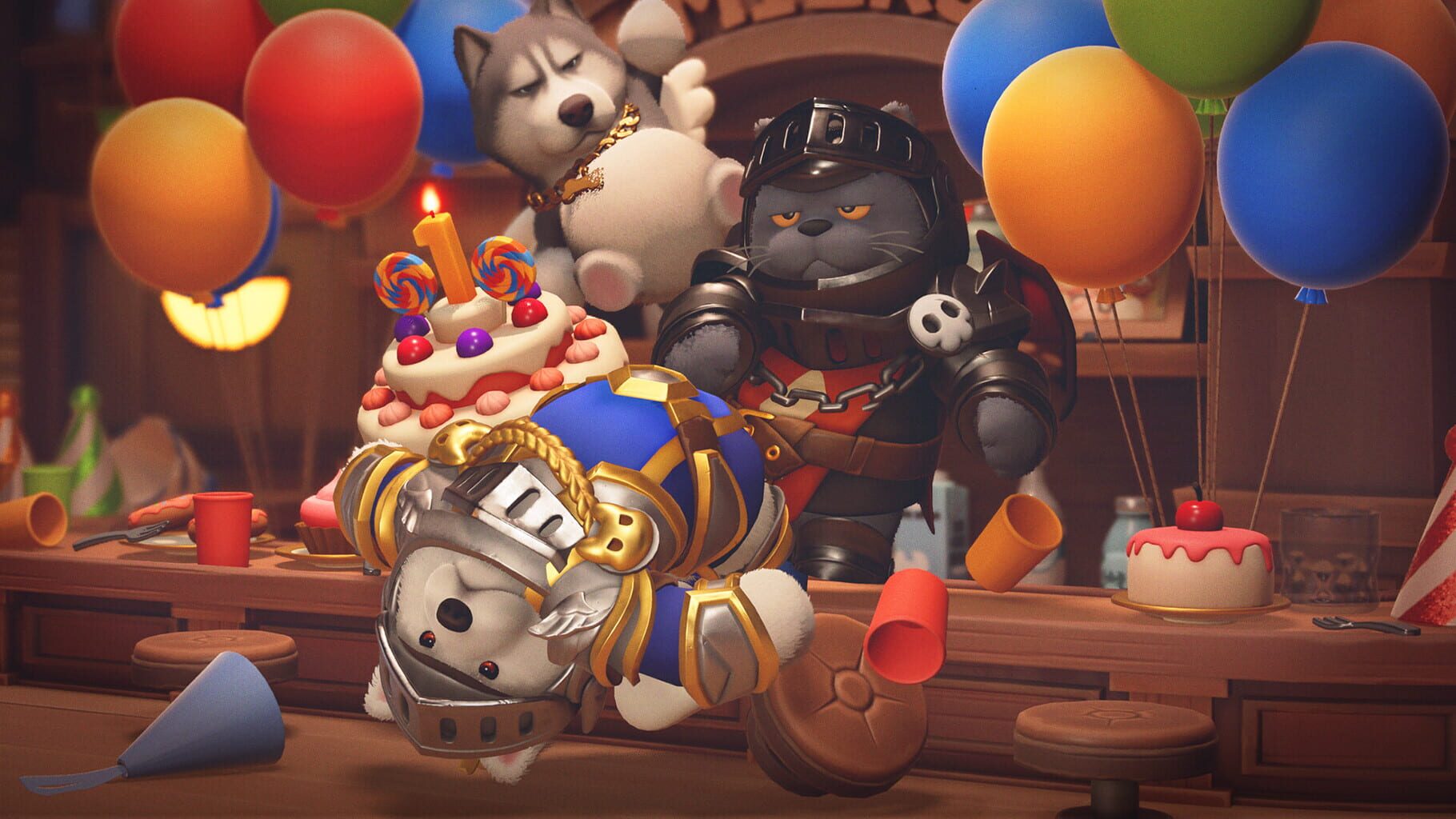
What Happened with the Party Animals AI Contest?
On May 12, Recreate Games — the studio behind the wildly popular physics-based brawler Party Animals — announced the 'Golden Paw Awards', an AI video contest with a total prize pool of $75,000, with a $15,000 grand prize at the top. The contest asked players to use generative AI as the 'core creative tool' to produce a short film paying tribute to their favourite in-game animal. The announcement landed like a grenade in the community. Within days, the game's Steam page had accumulated 828 recent negative reviews, pushing it into 'Mostly Negative' territory for recent scores.
The controversy was sharpened by an irony baked into the contest's own rules. The fine print stated that 'all submissions must be original works' and that 'any plagiarism or unauthorized use of others' work will result in disqualification' — a standard that critics were quick to point out sits uncomfortably with the provenance of most generative AI models. As PC Gamer reported, the studio appeared to have not thought through the optics of policing originality in an AI contest. Recreate Games responded on May 14 with a public apology, saying they had hoped AI could 'lower the barrier to creation' for players who had good ideas but lacked skills in editing, modelling, or animation.
Rather than cancelling outright, however, the studio put the decision to a community poll — a move that itself drew criticism. The three poll options were: cancel the AI contest entirely, convert it to a non-AI contest, or keep it as-is with an added 'handmade' category. As Kotaku noted, asking the community whether to hold a contest they had already rejected en masse was itself seen as tone-deaf. At the time of reporting, 58% of respondents wanted the contest cancelled outright, 35% backed switching to a non-AI format, and just 8% wanted to keep the AI element.
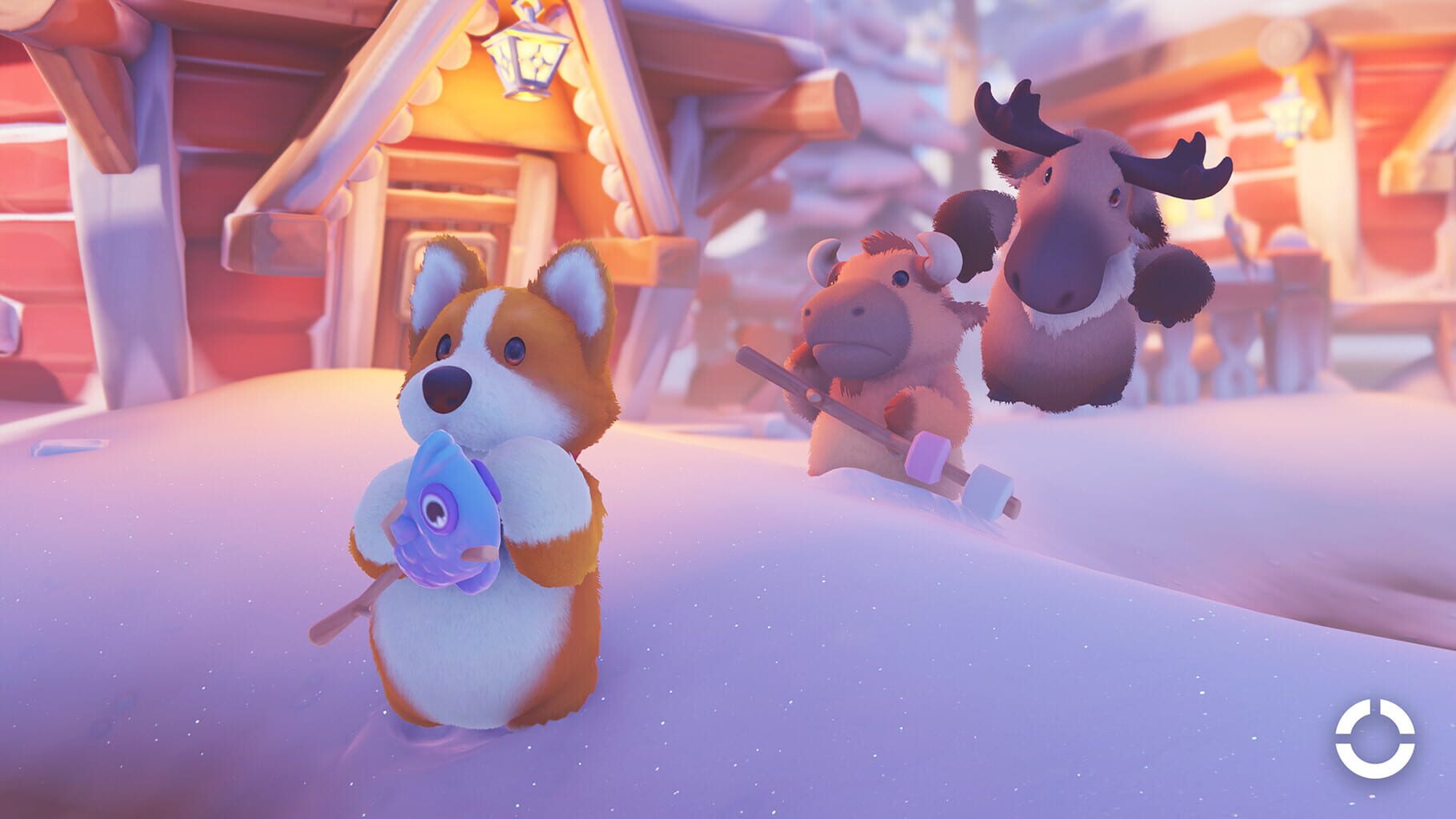
What Does the Horizon Composer Say About AI?
In Edge magazine's AI-focused issue (#424), Joris De Man — the composer behind the acclaimed soundtracks for Horizon Zero Dawn, Horizon Forbidden West, and Gotham Knights — did not mince words. 'The nervy side of me goes: "Oh, wow, this is quite cool," but the more creative and artistic side of me goes: "This is f*cking insane",' he told the magazine. De Man stressed the importance of human error and happy accidents in the creative process — qualities he sees as fundamental to authentic art that he believes AI-generated work cannot replicate.
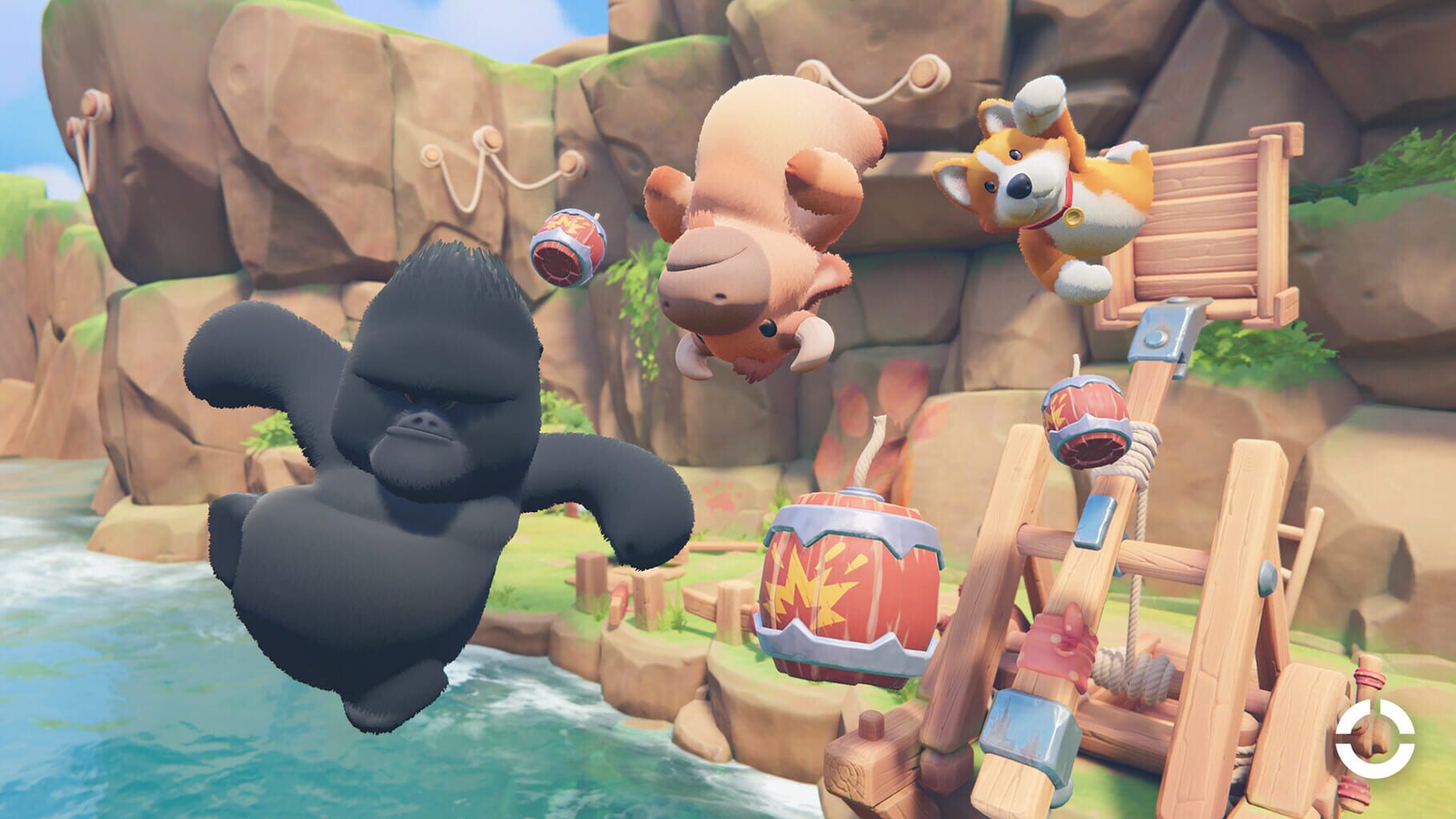
De Man reserved particular scorn for the business practices of the major AI companies. As reported by Kotaku, he criticised OpenAI, Anthropic, Meta, and Google for having trained their models on as much content as they could find and deciding to 'worry about the legal ramifications later' — a characterisation of the industry's approach to intellectual property that resonates with ongoing lawsuits from artists, writers, and musicians worldwide. For a composer still active in major AAA projects, speaking this candidly about the companies whose tools his industry is being pressured to adopt is notable.
Both events on May 15 underline the same truth: the gaming community — players and creators alike — is not a passive audience for generative AI adoption. Studios that move too fast without community buy-in, or that fail to acknowledge the ethical dimensions of AI training data, are increasingly likely to face swift and organised pushback. The conversation about AI in games is no longer theoretical; it's playing out in Steam review scores and magazine interviews right now.
You Might Also Like
Gears of War: E-Day — Xbox Exclusive, Release Date & Beta
Gears of War: E-Day launches October 3, 2026 on Xbox Series X/S and PC only — confirmed not coming to PS5. Day one on Game Pass, open beta in August.
Persona 6 Officially Revealed: Platforms & What We Know
Persona 6 is officially real. Atlus and Sega confirmed the next mainline entry at Xbox Games Showcase 2026, coming to Xbox Series X/S, PS5, and PC — but details remain scarce.
Thief: Dark Project Remastered — Nightdive Announced
Nightdive Studios and Eidos Montreal are remastering the 1998 stealth classic Thief: The Dark Project, published by Atari, for PS5, Xbox Series X/S, Switch 2, PS4, Switch, and PC.