The 2026 Gaming Layoff Crisis: What's Happening and Why It Won't Stop
42,000 gaming industry jobs were lost in 2024-2025. As studios stabilise in 2026, the structural pressures that caused the crisis haven't changed
- 42,000 gaming jobs were cut in 2024–2025 — the largest employment crisis in the industry's history
- The root cause is not a games revenue problem (revenue is up) but a structural mismatch between pandemic-era hiring and sustainable headcount
- Microsoft's April 2026 buyout and continued Embracer restructuring show the crisis is not over for mid-tier publishers
The Scale of the Crisis: 42,000 Jobs in Two Years
From January 2024 to December 2025, the games industry lost approximately 42,000 jobs across studios of all sizes on every continent. The peak was Q1 2024, when Microsoft Gaming, EA, Unity, Sony Interactive, and Riot Games all announced significant cuts within the same six-week period. Game Developer Magazine's layoff tracker logged 417 separate studio-level cuts across the two-year period.
No job category was immune: game designers, engineers, QA testers, community managers, marketing staff, and even senior creative directors were affected. The cuts were heaviest in mobile gaming (which had over-hired based on post-COVID engagement data that evaporated as lockdowns ended) and in studios owned by Embracer Group, which underwent a two-year restructuring that closed 11 studios and eliminated over 9,000 jobs globally.
Why Is This Happening When Revenue Is Up?
The seeming paradox of record layoffs alongside growing revenue is explained by the mismatch between when studios hired and when they need to sustain that headcount. Between 2020 and 2022, the games industry hired aggressively against pandemic-inflated metrics: concurrent players, engagement time, and revenue were all artificially elevated by lockdowns and stimulus payments. Studios built business plans around those metrics that assumed 10–15% annual growth continuing indefinitely.
When normal market conditions resumed in 2023 and growth reverted to historical averages of 5–7% annually, studios carrying 2x their historical headcount faced an unavoidable reckoning. The problem is structural — it has nothing to do with whether games are selling. Monster Hunter Wilds selling 25 million copies did not prevent Capcom from remaining the exception: most studios cannot sustain growth rates that justify 2022 headcounts.
Microsoft's April 2026 Buyout: What It Means
In April 2026, Microsoft Gaming offered voluntary buyouts to approximately 7% of its gaming workforce — estimated at 2,100 positions across Xbox Game Studios, Activision Blizzard, and Bethesda. The buyout was framed as voluntary, but industry observers note that voluntary departure programs often precede involuntary cuts if uptake targets are not met. Microsoft cited the need to 'focus resources on highest-priority projects' following the completion of major Activision Blizzard integration work.
Volition (Saints Row), Firewalk Studios (Concord), Arkane Austin (Redfall), The Initiative (Perfect Dark), and 7 Embracer-owned studios are among the notable closures of the past two years. Combined, these studios represented over 800 years of accumulated game development expertise.
Will 2026 Mark the End of the Crisis?
The data suggests the acute phase of the crisis is ending — monthly layoff numbers declined 60% from their 2024 peak to Q1 2026. But the structural conditions have not changed: AI tools are reducing hiring demand in QA and asset production, publisher consolidation is reducing the total number of independent studios, and subscription services are compressing per-unit revenue. Employment in games will likely remain below its 2022 peak for the rest of the decade, even as the industry's revenue continues to grow.
You Might Also Like
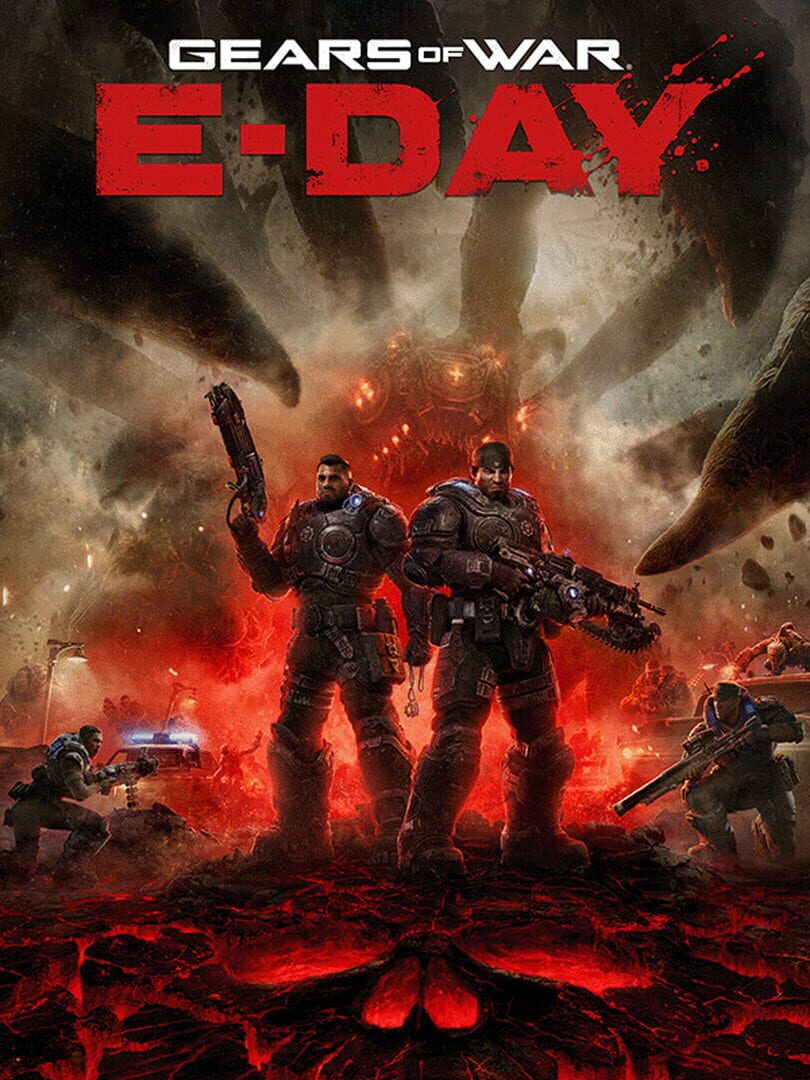
Gears of War: E-Day — Xbox Exclusive, Release Date & Beta
Gears of War: E-Day launches October 3, 2026 on Xbox Series X/S and PC only — confirmed not coming to PS5. Day one on Game Pass, open beta in August.
Persona 6 Officially Revealed: Platforms & What We Know
Persona 6 is officially real. Atlus and Sega confirmed the next mainline entry at Xbox Games Showcase 2026, coming to Xbox Series X/S, PS5, and PC — but details remain scarce.
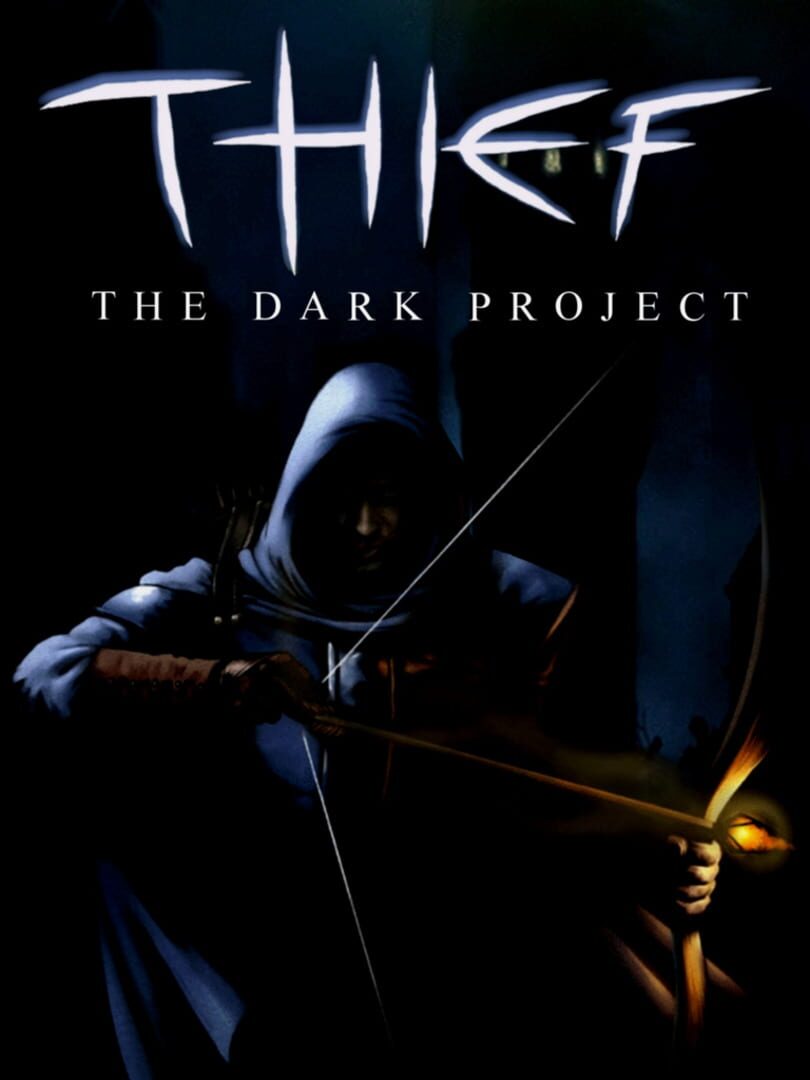
Thief: Dark Project Remastered — Nightdive Announced
Nightdive Studios and Eidos Montreal are remastering the 1998 stealth classic Thief: The Dark Project, published by Atari, for PS5, Xbox Series X/S, Switch 2, PS4, Switch, and PC.